




Cleaning up the air in ports
European ports “have to act ahead of stricter legislation” if the ongoing problem of air pollution is to improve, says the German Nature and Biodiversity Conservation Union (NABU).
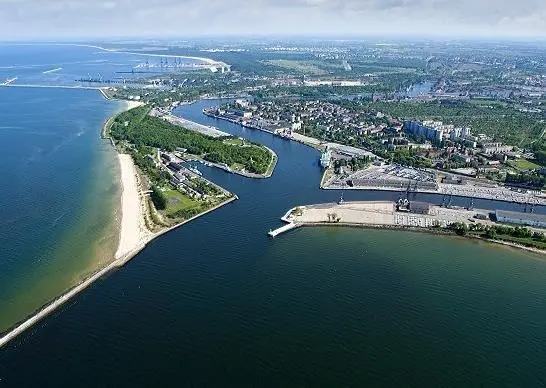
At the ‘Clean Air in Ports: Gdansk’ workshop at ‘Transport Week’, NABU looked at three different measures that can be undertaken to help counter air pollution at ports and the current situation in the Gdansk region. More than 50 participants from all over Europe, including Baltic Ports representatives, also discussed scientific studies of the effects of emissions on human health and projects dealing with port air quality monitoring and modelling.
Julia Balz from the Clean Air in Ports project, said: “The European and national laws against air pollution are not sufficient to protect the health of workers and local residents, the environment and to avoid dangerous climate change”, said .
According to NABU, more than 420,000 people die prematurely in Europe each year because of air pollution. Many European cities exceed EU-limit values for various air pollutants permanently, and ports’ such as ships, cranes, road traffic and locomotives contribute greatly, the union says.
“Ports have to act ahead of stricter legislation. But the good news is – measures to clean up the air are available and many can save a port or a terminal operator money. There are already several good examples of how ports can foster a better air quality without having economic damages,” Ms Balz added.
Funded by the LIFE+ project of the European Commission, the Clean Air in Ports project aims to connect responsible institutions in and around ports, and to connect different ports in order to enhance an exchange on the topic and tuning of measures.
The workshop in Gdansk is the last in a series of six workshops that took place in Hamburg, Antwerp, London, Copenhagen and Barcelona. The results of the workshops are integrated in a working paper that is available online and open for stakeholder discussion.
The final version of the Clean Air in Ports manual will be published in June 2015.
Related Articles
 ALTERNATIVE FUELS GREENPORT