



Climbing the ranks
Bilateral trade deals and transhipment traffic will see the worlds fifth largest container port continue to grow. Michael King reports
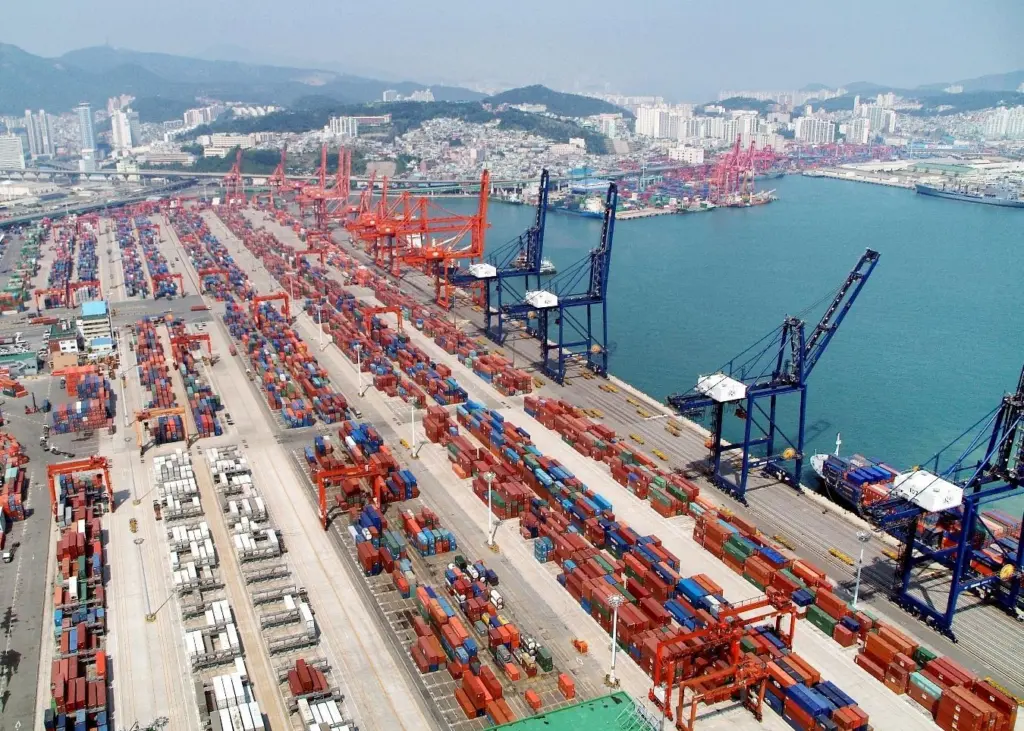
Last year, the port of Busan handled some 16.2m teu. Not only was this a new record, but year-on-year growth of 14% represented significantly better performance than transhipment rivals in the ‘super port’ class of 15m teu+ per annum.
Of the four container ports that can boast larger annual throughput than Busan, Shanghai was the next best performer in 2011 with growth of 9.2%. Shenzhen barely saw any growth last year, while Hong Kong managed 3% and Singapore only just nudged past 5%.
Despite the economic travails Europe, the stumbling recovery of the US and a slowing Chinese economy, optimism abounds at Busan. Next year the port expects to handle 17.5m teu by continuing to expand its role in global and regional transhipment.
Ho Chul Park, Busan Port Authority’s marketing director, says success will depend on three factors: location, connectivity and stability.
“Busan’s regional location is desirable in that it is sandwiched directly between China, the world’s largest manufacturing base, and Japan,” he explains. “Its comparable low costs combined with this locality means Busan is the convenient and favourable choice for many Japanese shippers.”
Busan is now connected to over 500 ports in 100 countries across the world and Mr Park says the aim moving forward is to strengthen its ties with the medium and smaller sized ports in Northern China and Japan via feeder services.
He also believes Busan is attracting cargo because it is more reliable than transhipment alternatives. “Unlike many larger ports in other countries, Busan is very rarely affected by adverse weather conditions or fog,” he says. “A port closed due to bad weather means extremely high excess fees for the shipper forced to wait until the port is re-opened, as well as disruption to global shipping schedules and routes.
“Stability and reliability are extremely important factors to consider for shippers selecting ports of call.”
He expects Busan’s three-pronged strategy will see its transhipment traffic as a proportion of total throughput rise from 45% now to 60% by 2020, a target that is being backed up by an extensive marketing campaign aimed at shippers.
He attributes the 17% year-on-year increase last year in cargo handled at Busan destined for Far East Asia to the port’s outreach to shippers as well as rising trade between Asian countries. Cargo destined for Far East Asia constituted some 32% of box throughput last year, while North American demand was responsible for 16% of traffic followed by Japan with 15%, a one point drop on a year earlier due to the March earthquake and tsunami which hit trade in the following months.
Another factor helping the port grow trade is the Korean government’s commitment to breaking down trade barriers. A Free Trade Agreement was agreed with the EU in 2007 and with the US late last year, while negotiations with China have reached an advanced stage and could be finalised this year.
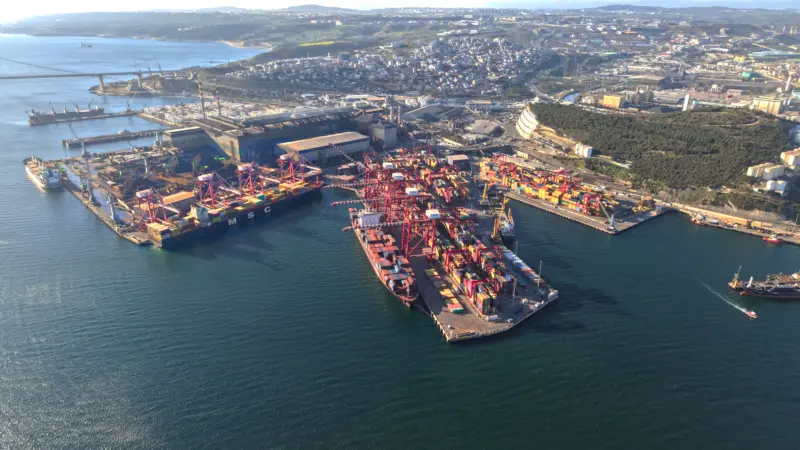
With volumes set to boom, BPA is planning accordingly. The addition of four new berths at Busan North Port in 2011 took the hub’s total berths to 42 and further additions will follow. Original plans to build 30 berths at Busan New Port – 22 of which are already open – have been modified and expanded by the Korean government. Under the new plans 45 berths will be built in Busan New Port in the next five or six years.
Busan is also embracing the Korean government’s ‘e- system’. A ‘BP-Net’ is being introduced to speed cargo flows by providing all users and related government and port authority offices access to integrated port-related cargo and logistics information and G2G, G2B and B2B services using Simple Object Access Protocol (SOAP). This will be supported by a range of other intra-port IT services and will be contracted out to a private company in May following a lengthy selection process. The tagging of all terminal operator gates and trucks with Radio Frequency Identification Devices was also completed last year.
New hinterland rail connections and a huge new distribution park are also being built, while Busan North Port is being redeveloped.
“Busan Port aims to continue to increase its status as the Northeast Asian transhipment hub of choice,” says Mr Park.
Related Articles
 TERMINAL OPERATIONS
 CONTAINER & CARGO HANDLING
 NEWS
NEWS