





Dont rush to meet 100% scanning legislation
A security panel at the International Association of Ports and Harbours (IAPH) conference taking place in Genoa this week cautioned against ports committing now to installations to meet so-called 100% scanning legislation from the US.
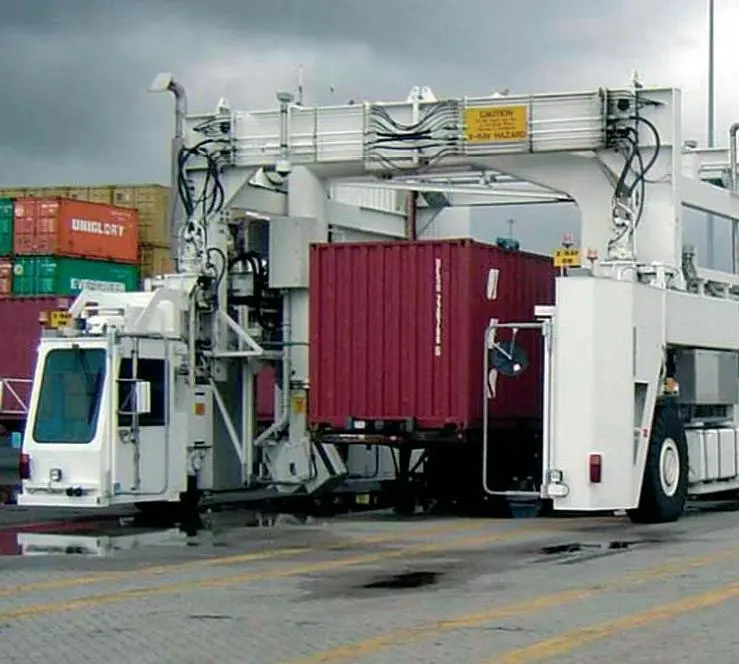
The 9/11 Commission Act of 2007 requires foreign seaports to scan all cargo entering the US by 2012, although flexible wording allows this date to be pushed back subject to certain conditions.
Global ports have already raised concerns about the cost implications and the workability of such legislation.
Kevin Orchard, QinetiQ business development director, supply chain security, and venture partner with GenOrigin, said: “It would be very unwise for any port to do anything to meet the 100% scanning legislation yet.”
He pointed to the all-important Chinese trade to the US – accounting for in excess of 50% of US imports – as a vital marker for the evolution of the scanning legislation.
“If the Chinese government do not want to play ball with this it is very difficult to imagine that this legislation will ever take off. So the world’s ports need to watch the Sino-American relations on 100% scanning,” he said.
Michael Schmitz, director of compliance and facilitation at the World Customs Organisation (WCO), added: “America is not in the position to reciprocate and the US seems to forget that they are viewed as the threat to many countries.
“The holy grail is mutual recognition and so far the US has only signed agreements with New Zealand – which took five years to negotiate – Canada and Jordan.”
The security panel also urged bureaucrats and trade bodies to tackle the formation of security standards to instil best practice in the industry.
“It’s all about standards,” said Mr Orchard. “There’s all this legislation but there are no co-ordinated efforts on security standards. I would like to see organisations like IAPH working on standards and best practise.”
Mr Schmitz added that the WCO is trying to put the “right people together” to put these standards together, rather than allowing standards to be driven through by national legislation.
Related Articles
 PORT & TERMINAL NEWS
 PORT & TERMINAL NEWS
 OPERATIONS