


Earthquakes close Chilean ports
The Chilean ports of Arica, Patache, Iquique and Mejillones are closed for operations following the earthquakes and tsunami alerts this week.
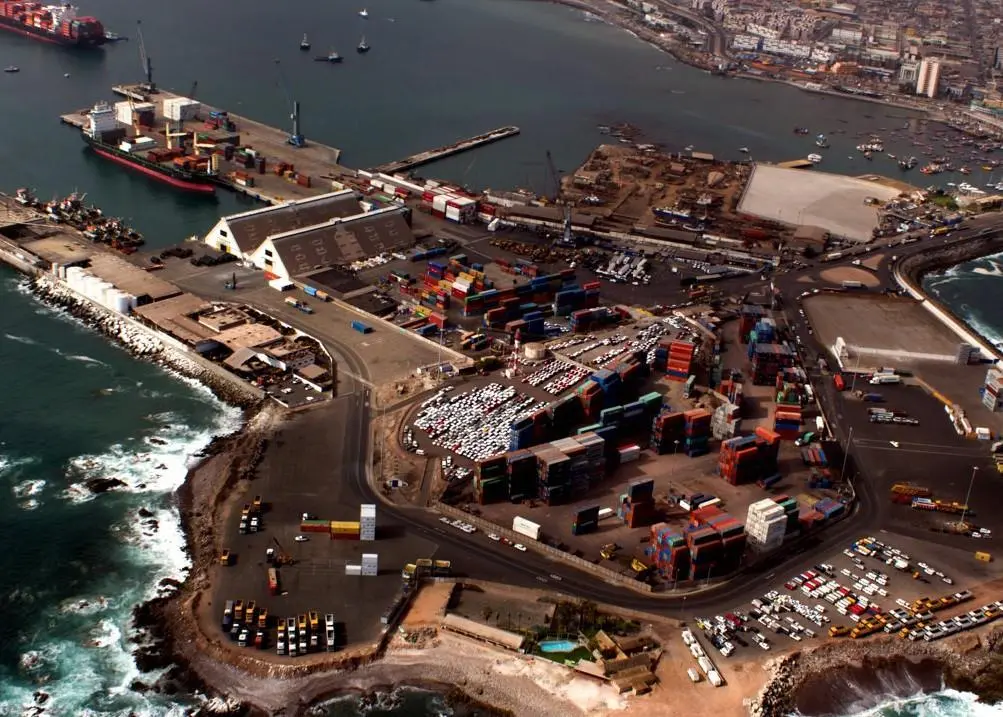
The US Geological Survey said that the initial earthquake which happened earlier this week, measured 8.2 on the Richter scale and occurred 53 miles offshore northwest of the port of Iquique. All areas expected to be affected were evacuated. A tsunami warning was issued at the time because the earthquake generated 2m waves (7ft) which made shore, killing six and damaging property.
Much of northern Chile remains evacuated because it was then hit by another powerful 7.6 magnitude aftershock earthquake, just 24 hours the first one. A tsunami alert was once again issued, but was later lifted after waves of only 0.7m (2.4ft) hit coastal areas.
In so far as damage is concerned, pictures taken locally show damaged fishing vessels, but it’s unclear at present as to how much damage, if any, has been suffered by Iquique port, which is a major copper export hub, or to any other port in northern Chile.
Nigel Wick, partner at international law firm Holman Fenwick Willan, said: “Disasters of this magnitude will often kick-start a chain reaction of potential claims as of course it’s not just the businesses struck directly by the earthquake that will be affected, but the businesses that sit alongside these in the supply chain.”
He pointed out that business interruption claims could be made by businesses thousands of miles away from the earthquake but whose supply has been disrupted, or whose businesses have been affected negatively because of damage to logistical pinch points such as ports and rail routes.
A key insurance issue is the number of “occurrences”, as this will determine whether or not there is more than one policy limit. Earthquakes which produce tsunamis and then multiple aftershocks present their own difficulties which are often resolved by “hours” clauses which specify that all loss and damage happening within a specified period will be deemed to be one “occurrence”.
Earthquakes also give rise to “loss of attraction” issues where the catastrophe causes a region to become a no-go zone. This issue is often a red herring for policy holders, who would have assumed that their insurance policy would cover exactly this aspect of business interruption. But unless there is a specific “loss of attraction” clause in a policy, such losses are often simply not covered.
On a separate note, it’s as yet unclear as to whether Chile’s Iquique port authority, Empresa Portuaria Iquique (EPI), will go ahead with the launch of the tender process for the Terminal 1 Molo as it announced this week. Further delay to the project could impact on the terminal’s capacity to serve post-Panamax vessels and remain competitive.
Meanwhile, the ports will apparently be reopened following structural checks by the Chilean Maritime Authority.
Related Articles
 SOUTH AMERICA
 PORT & TERMINAL NEWS
 PORT & TERMINAL NEWS