






Emissions-reduction funding for Alabama
The US Environmental Protection Agency (EPA) has awarded a US$400,000 Diesel Emissions Reduction Act (DERA) Clean Diesel Funding Assistance Program grant to the Alabama State Port Authority, to enable the replacement of one 1982 locomotive with a Tier IV locomotive engine at the Port of Mobile.
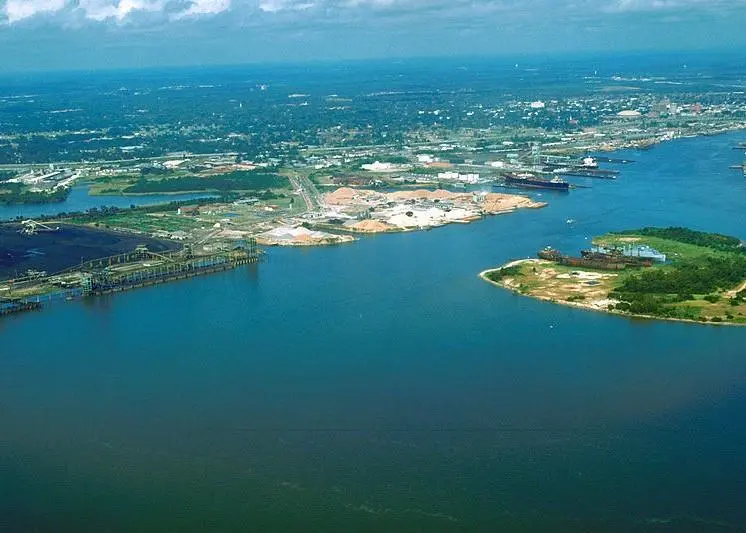
This investment is expected to offer a lifetime reduction of nearly 102.2t of Nitrogen Oxides and 3.4t of PM2.5.
“Diesel engines are incredibly durable, with millions in operation in Alabama, and across the nation,” said EPA acting region 4 administrator Mary S. Walker. “These grants provide not only environmental and health benefits by eliminating exposure to diesel exhaust, but cost-effectiveness as well.
Long-term battle
Reducing emissions from diesel engines is one of the most important air quality challenges facing the US. Even with EPA’s stringent heavy-duty highway, nonroad, marine and locomotive standards set to take effect over the next decade, millions of diesel engines already in use will continue to emit large amounts of nitrogen oxides, particulate matter and air toxics, which contribute to serious public health problems.
Earlier this month the EPA awarded US$2m to the Port Authority of New York and New Jersey (PANYNJ) to replace up to 80 model year 2006 and older short-haul trucks that service its marine terminal.
In January, the Port of Baltimore was awarded US$2.4m from the EPA to repower marine engines and upgrade diesel dray trucks.
Related Articles
 ALTERNATIVE FUELS GREENPORT
 OPERATIONS
 ALTERNATIVE FUELS GREENPORT