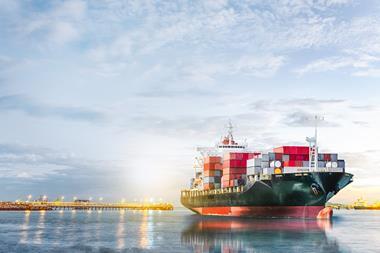


QTerminals Kramer Rotterdam (QTKR) and Ocean Network Express (ONE) have achieved a major milestone in port decarbonisation, cutting 500 tonnes of CO₂ in six months through a new biofuels initiative.
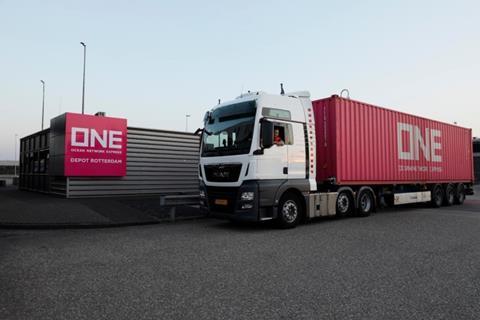
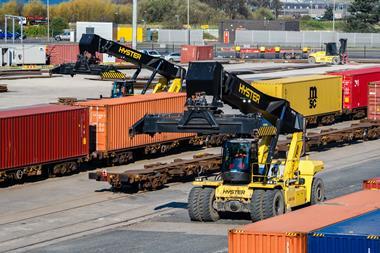
The partners have introduced HVO100, a sustainable alternative fuel made from renewable raw materials, to power port shunting operations.
“Decarbonisation cannot be achieved in isolation; it demands collaboration and innovation across the supply chain,” said Johan Pijpers, ONE’s manager for inland operations procurement (Europe & Africa).
“Our work with QTKR shows that practical solutions like biofuels can deliver meaningful results today, while laying the foundation for more ambitious steps in the future.”
Immediate decarbonisation
The partners said that HVO100 can reduce lifecycle CO₂ emissions by up to 90% compared with diesel while significantly lowering particulate matter and nitrogen oxide emissions, offering an immediate pathway to cleaner port handling.
Fred Groenendijk, CCO at QTKR, added that the collaboration goes “beyond logistics,” highlighting how shared expertise and aligned sustainability strategies can accelerate the transition to low-carbon operations.
”Together, we are taking concrete steps towards reducing CO2 emissions by aligning our strategies, sharing expertise and driving a sustainable way of working across the transport chain.”
”ONE and QTKR have proven that smart, trustworthy collaboration is essential to successfully reducing CO2 emission across the supply chain,” he said.
The partners are now preparing for the next phase of their collaboration, which will see the introduction of a dedicated fleet of electric trucks (e-trucks) for port operations.
These e-trucks will serve alongside the HVO100 trucks, handling container movements across terminals, further cutting emissions to establish a long-term platform for zero-carbon logistics.