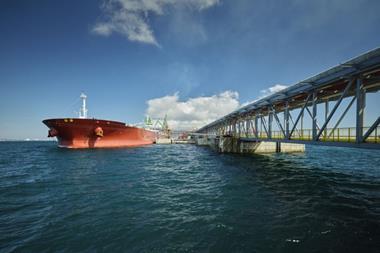


The ports of Bremen are now fully prepared for methanol bunkering, marking a significant step forward in the region’s port infrastructure and approach to climate-friendly shipping.
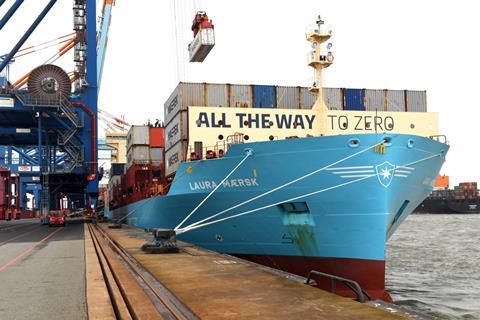
With experts predicting that methanol will soon surpass LNG as the leading alternative fuel, Bremen’s ports have been gearing themselves up to accommodate the fuel just as they have previously accommodated LNG-powered vessels.
Robert Howe, managing director of bremenports emphasised that ‘methanol-ready’ is more than just a label though, but rather a real competitive factor and, above all, fits perfectly into the green focus strategy of the ports of Bremen.
”We are supporting and promoting the use of new low-carbon fuels in shipping - this is ultimately active climate protection. The aim must be to enable universal bunkering in our universal ports - regardless of whether methanol, LNG, ammonia or, in future, green hydrogen is pumped into the ship’s tanks.”
Bunkering procedure
Bremen’s ports have established a transparent, regulated procedure for bunkering fuels with a flash point below 55 degrees Celsius, including methanol and LNG.
”The fact that we already have clear process plans and regulations for LNG and methanol is a very good step in the right direction,” said Kristina Vogt, Bremen’s Senator for Economic Affairs, Ports and Transformation.
“With the regulations now clear, we are well positioned and Bremen also has the best structural prerequisites: There is already methanol-capable storage capacity on the Weser, bunker suppliers in Bremerhaven are looking into expanding and several companies are involved in the production of green methanol. A lot is happening in this area – and Bremen is at the forefront.”