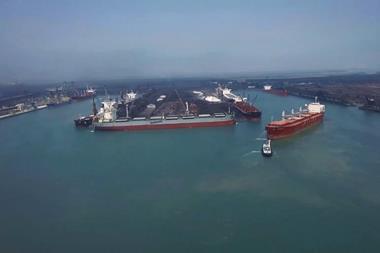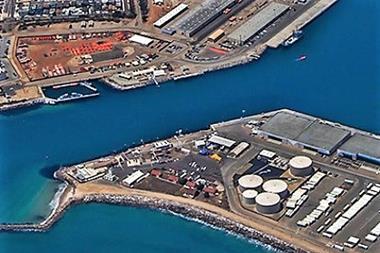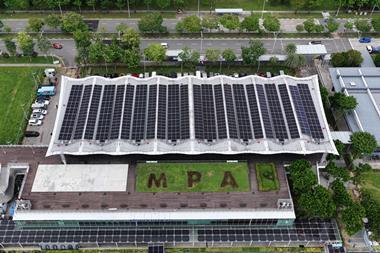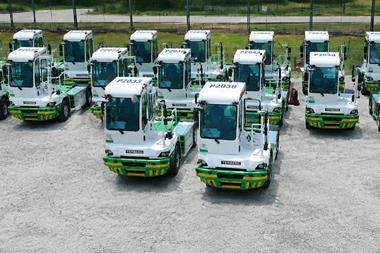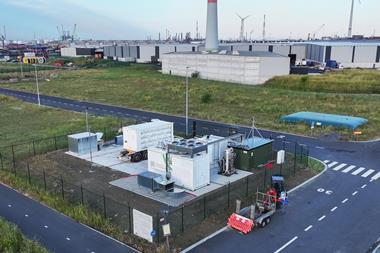


ELIRE Infra and partners have secured GB£1 million to study hydrogen-powered floating micro-grids that could cut port emissions and boost clean energy adoption.
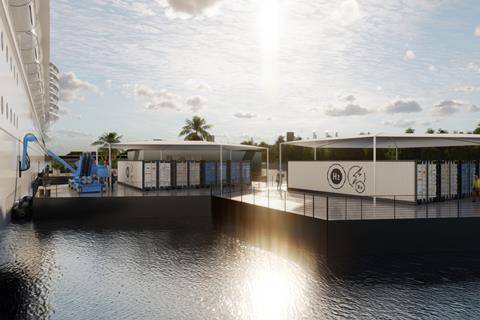
The funding, awarded under the UK Government’s Clean Maritime Demonstration Competition Round 6, will back the ’Hydrogen Floating Power Hub Feasibility Programme’, which aims to explore how hydrogen infrastructure and floating micro-grids can replace fossil fuels in port infrastructure.
“Hydrogen’s power density far exceeds that of traditional industrial batteries,” said Luke Jenkinson, Founder of ELIRE Infra.
“This allows us to create cleaner, smaller-footprint energy systems that are scalable and modular, ideal for ports with space or grid constraints.”
Off-grid clean energy
These modular platforms combine hydrogen fuel cells with renewables, offering up to 5MW of off-grid clean energy to large vessels and smaller e-boats.
By 2028, the UK could see its first operational Hydrogen Power Hub, providing another step towards net zero shipping.
The feasibility study, running until March 2026, will assess technical and commercial pathways for hydrogen floating micro-grids with the aim of creating scalable models for decarbonising maritime operations.
Consortium members include Offshore Renewable Energy Catapult, Ricardo UK, Rux Energy UK, Schneider Electric, Triton Anchor Europe, the University of Strathclyde and Sealand Projects.
Together they will address engineering, regulatory and commercial challenges to make hydrogen infrastructure in ports investment-ready.
Over the next decade, the project aims to cut 500,000 tonnes of CO₂ globally, while creating jobs, improving air quality and positioning the UK as a leader in alternative fuels and maritime innovation.
ELIRE Infra designs innovative and intelligent floating infrastructure with the aim of accelerating decarbonisation across ports, harbours, waterways and the industries they support.
Read more on ELIRE Infra’s floating solutions to address port infrastructure gaps