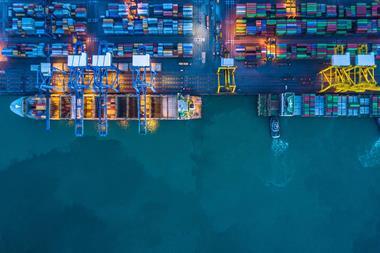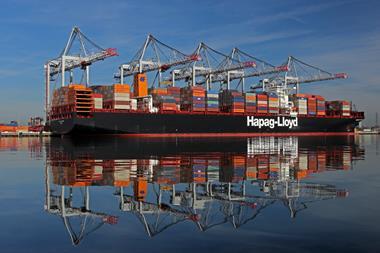


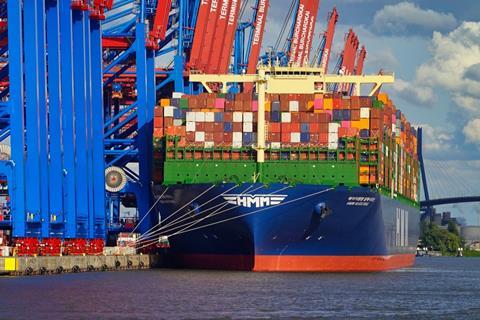
European port congestion is surging, and it’s driving up port emissions, threatening both supply chains and decarbonisation efforts.
That’s according to PortXchange, a Rotterdam-based port technology leader, which is urging faster adoption of real-time port call optimisation tools to tackle the mounting crisis.
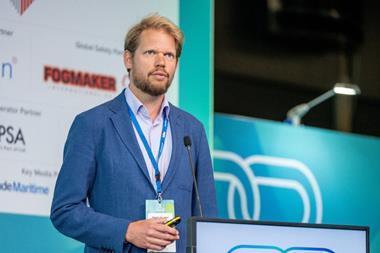
“These numbers aren’t just a signal; they’re a siren,” said Sjoerd de Jager, CEO of PortXchange.
“Port delays are no longer simply a logistics issue. They’re a carbon problem, a large additional cost, and a growing threat to global trade continuity.”
A growing problem
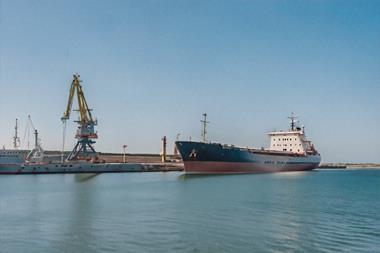
According to fresh Drewry data, berth waiting times have jumped by 37% in Antwerp and 47% in Hamburg, with Bremerhaven experiencing a staggering 77% rise. Labour strikes and low Rhine water levels are further squeezing port capacity.
PortXchange’s Synchronizer platform offers Just-in-Time (JIT) arrivals, allowing vessels to slow down en route, cutting fuel use and anchorage time. This reduces port emissions significantly, aligning with broader port decarbonisation goals.
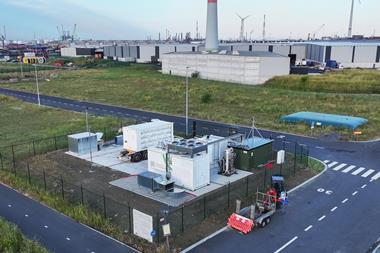
Meanwhile, its EmissionInsider tool enables ports to track emissions across sea, barge, rail, and road, improving transparency and supporting greener infrastructure strategies.
The congestion spike comes as ocean freight rates rise, pressuring operators to modernise. Mr De Jager warns that static ETA systems and siloed planning can no longer cope with today’s volatile shipping landscape.
Port digitalisation and dynamic, data-driven solutions are increasingly being seen as essential for reducing emissions and smoothing the shift to zero-emission fuels.
Industry initiatives like the Global Maritime Forum’s Operational Efficiency programme emphasise that optimising port operations is a “triple win”: cutting emissions, lowering fuel costs, and preparing for sustainable fuel transitions.