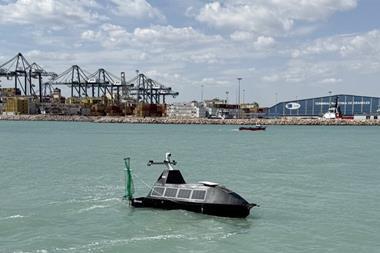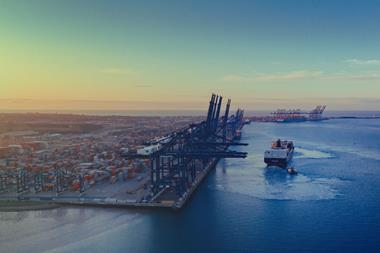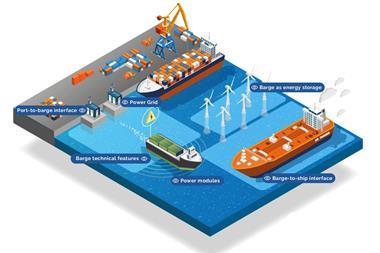


Valencia’s TwinShip project, co-financed by Horizon Europe, aims to drive port digitalisation and sustainability using a digital twin framework to enable greener maritime operations.
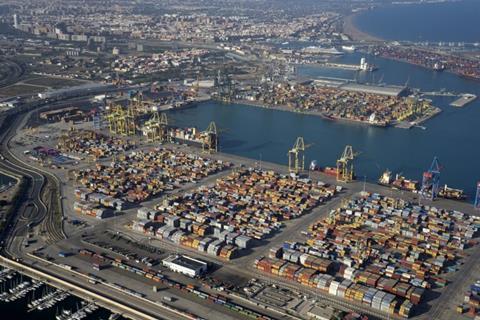
Led by an international consortium, including Fundación Valenciaport, the €10 million initiative will develop an open-source platform powered by AI and machine learning.
“The digital twin developed under TwinShip will serve as a decision support system, helping the shipping industry adapt to environmental regulations and optimise the use of renewable fuels,” said a TwinShip spokesperson.
“This project represents a major step toward port sustainability and efficient, low-emission shipping.”
Key role
The goal of the project is to cut maritime greenhouse gas emissions by 30-40% by 2030 and achieve zero emissions by 2045 through clean technologies and autonomous vessels.
Fundación Valenciaport will participate in the identification of the functional and user requirements of the decision support system and digital twins, with a particular focus from the port’s perspective and will support in establishing the connection between the ships’ digital twin and the port’s digital twin.
It will also collaborate in the dissemination and validation of project results.
This digital twin developed under TwinShip will serve as a decision support system, enabling the shipping industry to quickly adapt to environmental regulations and optimise the use of clean and renewable fuels.
The TwinShip consortium includes 18 partners, including the University of Tromsø, Grimaldi, Stena Line, SINTEF and Wärtsilä. Together, they aim to revolutionise maritime operations with cutting-edge digital solutions.