




Box or bust
COMMENT: Industry analyst Alphaliner has come up with the stunning statistic that global container traffic will grow by just 0.3% this year, the second slowest growth rate since 2009 when volume shrank by -8.3% following the global financial crisis.
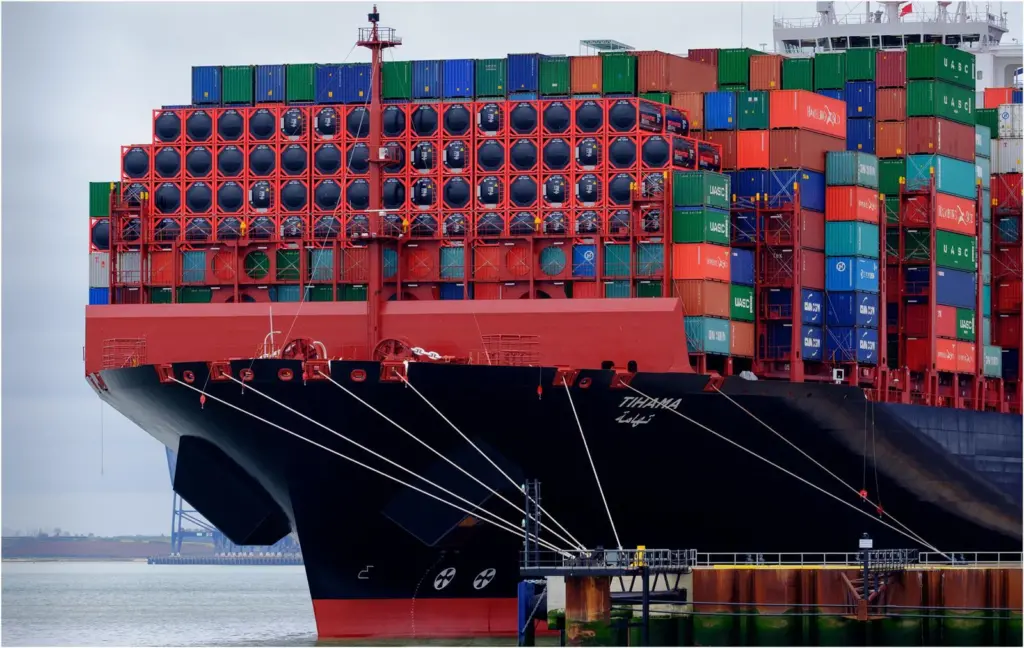
Alphaliner estimates that total throughput by volume at the world’s Top 30 container ports grew by only 0.2% in the first half of the year. Specifically, it notes that 12 of the Top 30 ports reported lower traffic, including six of the Top 10.
Alphaliner also notes at a regional level the decline of African trade volumes which had fallen by 11.5% by the end of June.
Highlighted in Alphaliner’s ‘drop list’ are volumes at Egypt’s Port Said East Terminal, which fell by nearly 21%, and at another major transhipment port, Morocco’s Tanger Med hub port, which experienced an 11.5% fall in volume in the first six months of this year compared with the same period last year.
First-half growth at Chinese ports, including Hong Kong was, according to Alphaliner, just 1.4%.
This situation coupled with modest growth on the world’s busiest trade lanes leads Alphaliner to its forecast of just 0.3% growth in global container traffic this year.
However, another report from Clarksons Research is more optimistic, albeit cautiously.
Clarksons states: “Container trade growth appears to have improved in 2016 so far, having slowed to an estimated rate of just 2.2% in 2015 – the slowest pace of growth since 2009.” Clarksons notes that while global economic risks clearly remain, “total container volumes are estimated to reach 182m teu in full year 2016, representing a 3.8% growth.”
It further states: “By the end of 2016, the containership fleet is expected to total 20.2m teu representing growth of just 2.4% year-on-year, which,” Clarksons says, “would be the slowest pace on record, following a rate of 8.1% in 2015.” This, it concludes, would be a reversal of last year’s trend and may see trade growth this year outpace expansion in the containership fleet.
Clarksons also expects mainline trades to grow 3.2% this year, to 53.1m teu, up from just 0.6% growth in 2015. It expects the Asia-Europe trade to grow by nearly 4% over the full year.
On the non-mainline trades, Clarksons forecasts volume growth of 4% to 128.6m teu, and identifies the east-west trade, particularly between Asia and the Indian sub-continent, as likely to be among the fastest growing.
North-south downbeat
However, the analyst is not so positive on the north-south trades. It points to the collapse in commodity prices that hit import levels last year, a trend expected to continue throughout 2016.
A figure of 4% growth is also put on intra-regional container traffic growth in Asia. “While China appears to be continuing its transition towards a more diverse economy away from a focus on heavy industry, prospects for intra-Asian container trade remain positive,” Clarksons states. “Developing Asian economies continue to hold growth potential, and the multi-location assembly of manufactured goods is expected to continue, particularly with developments in wage differentials across the region.”
Giving a third opinion, BIMCO pits 2016 container demand growth of 3.5%-4%. It bases this on overall container volumes that have grown by an average GDP-to-trade multiplier of just 1:1 since 2010 and the expectation that this will continue in future years. It says: “With IMF expecting GDP growth of 3.4% in 2016, this translates into container demand of 3.5%-4%. The ‘new normal’ level of demand is somewhat lower than originally expected – just as global GDP growth keeps disappointing.”
From 2000-2008, the GDP-to-trade multiplier stood at 2.2 delivering container demand growth at 8%-9% from a GDP base of 4% on average.
Related Articles
 POST SCRIPT
 POST SCRIPT
 POST SCRIPT