



Brexit border control plans change
The UK Government has set out a new timetable for introducing post-Brexit import border control processes.
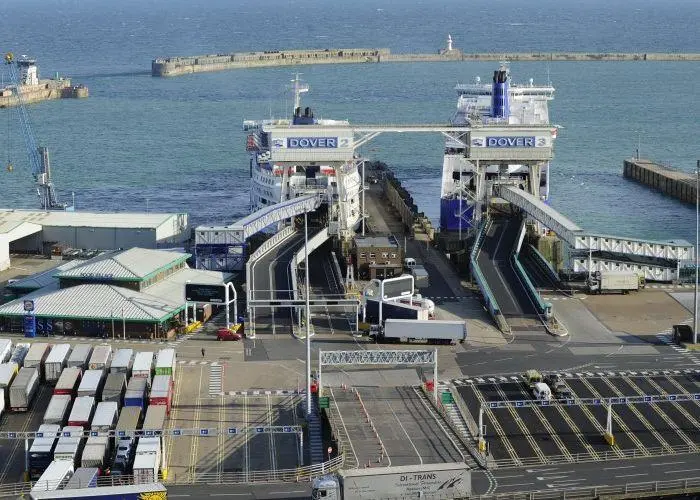
It will now introduce full border control processes on 1 January 2022, six months later than originally planned. This aims to provide businesses with further time to prepare for changes at the border and minimise disruption as the economy gradually reopens after COVID-19 restrictions. The British Ports Association (BPA) has welcomed the announcement, but the UK Major Ports Group (UKMPG) criticised the change in plans.
Richard Ballantyne, chief executive of the British Ports Association (BPA), said: “This is excellent news and we welcome the government’s pragmatic decision. Much of the infrastructure being built to facilitate these border controls is unlikely to be ready by July so this move enables ports to prepare better for what will be a major change in our trading relationship with Europe.”
“Unnecessary and disappointing”
Tim Morris, CEO of the UK Major Ports Group, said: “It was always a challenging timeline but the Government has repeatedly stressed that the July 1st deadline was fixed. Operators building facilities on their own ports have laid concrete and put up steel frames to be ready by July 1st. Some pragmatism could have been welcome. But from the perspective of many large port operators a sustained delay is unnecessary and disappointing in terms of border infrastructure delivery. We will be looking to talk urgently with Government about contracts that have been signed and costs sunk to meet the July 1st deadline.”
The Government said overall freight volumes between the UK and EU have rebounded after an expected dip in January as a result of Covid-19 restrictions, pre-January stockpiling, and some initial teething problems as businesses adapted to new rules for trade with the EU. It said that the latest management information shows that overall freight volumes between the UK and the EU have been back to their normal levels since the start of February.
Related Articles
 EUROPE
 ALTERNATIVE FUELS GREENPORT