


Big ships still pose a challenge
Although ports and terminals may have passed the stress test of the recent decline in global container volumes, there are still challenges to come, including handling the larger ships now entering the market says Christian Laursen of APM Terminals.
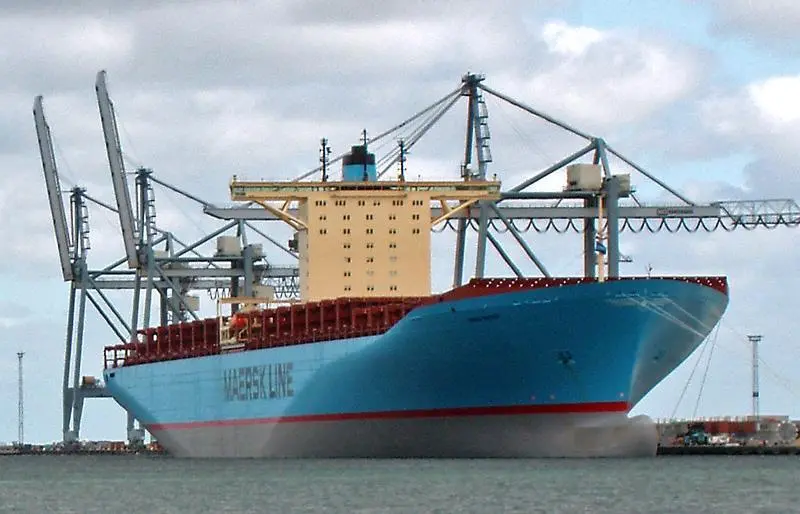
Speaking at the annual TransFin conference which ended last week, Mr Laursen observed that having survived the steep 10% fall in global container volume that resulted from the 2009 world-wide recession, new adjustments must still be made by port and terminal operators to stay competitive in what APM Terminals has called the “New Normal”. It is an industry picture characterised at least in part by “a lot of uncertainty”.
This uncertainty has led in turn to a high level of review of the timing and scale of capacity expansion plans by developers and operators, and Mr Laursen noted a “lack of transparency” about what capacity is actually being developed.
However, also included among these concerns is the ongoing delivery of Ultra-Large Container Ships (ULCs) with capacities of over 10,000 teu into the global liner fleet, which Mr Laursen says accounts for more than 40% of vessels on order.
Many previously laid-up ships are being reabsorbed, and despite deferrals most of the bigger vessels are still coming, he says. So, whilst the overall demand remains uncertain, “what appears to not have changed …is the demand for suitable infrastructure to handle these bigger ships”. This includes adequate depth in shipping channels as well as berths, and further, Mr Laursen predicts that the increase in size will mean transhipment hubs likewise grow in importance.
Related Articles
 EUROPE
 ALTERNATIVE FUELS GREENPORT