


Brexit likely to reduce trade, say analysts
The UK’s exit from the European Union could cause ‘considerable congestion’ at ports across Europe and lead to a reduced volume of trade, according to a report by economic analysts.
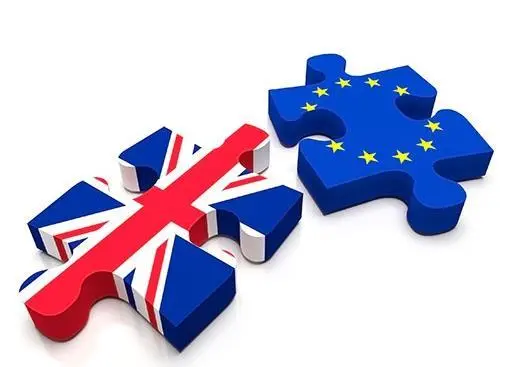
The independent study, conducted by Oxera Consulting, reviewed the likely impact of an ‘out’ vote on the UK transport sector, namely ports, aviation and rail.
According to the review, ‘changes to the costs of trade with the EU are likely to affect the volumes and patterns of freight activity at ports, while the need for new customs checks on imports and exports is likely to cause considerable congestion at UK and mainland European ports’.
Given that over 90% of UK trade in terms of volume is handled by ports this predicted impact could have far-reaching consequences for the price of goods. Moreover the EU is the UK’s largest trading partner.
Sean Thomas, senior consultant at Oxera and one of the authors of the report, explained the likely impact that Brexit would have. He believes two main factors would affect trade.
“Under a Brexit scenario, you wouldn’t be subject to the same tariffs and import duties as under the EU,” he told Port Strategy. Furthermore “the UK currently has access to a lot of its trading partners [through the EU]. Something like half of the UK trade is done with the EU on relatively lenient customs arrangements.”
“If you start having to have checks on all consignments of goods it will impose costs,” he concluded.
Until a new agreement is negotiated, it is likely that trade would be under a World Trade Organisation (WTO) model.
“If you were trading under WTO rules, you’d expect a tariff rate of about 5% and a customs clearance cost of about 8%,” said Mr Thomas.
The World Bank estimates that the customs clearance process adds around a day to the import process for a single freight container. For multi-stop journeys through Europe, separate checks would be needed at each country.
Instead of the current seamless journey, a lorry would have to wait while each separate pallet is checked, requiring extensive investment in parking facilities at UK ports and leading to extensive queues at terminals.
Mr Thomas believes the likely impact will be an increased cost of goods.
“These costs could end up being borne by the consumer,” he said.
“Broadly speaking you would expect that if you have higher tariffs and import duties and a more onerous customs clearance, then imported goods become more expensive and exported goods less competitive,” he added.
Moreover, the consequences could extend beyond higher prices for the consumer with the report highlighting that the distribution of impact would not be constant across the UK.
“Some ports depend more on EU trade than others. There would be more upheaval in some ports than others,” said Mr Thomas.
In terms of regulation, the writers of the report envisage little overall change if the UK leaves the EU.
“The EU imposes a number of directives and regulations around environmental protection and that’s been cited by some parts of the ports industry as a potential barrier for expansion at ports,” said Mr Thomas.
“That said, leaving the EU doesn’t mean that you end up with a complete free-for-all in the UK. It’s almost unimaginable that you would go from a position where you had regulation to protect the environment imposed at EU level to nothing under the Brexit scenario.”
Overall the picture painted by the report is a fairly bleak one for ports with a Brexit decision almost certainly driving up the cost of imports and reducing trade.
“There is an increase in trade activity when a country joins the EU,” said Mr Thomas.
“The question is to what extent could that trade be replaced by alternative trading partners. The reality is that no one knows.
“The big caveat here is what sort of alternative trade agreement is the UK able to negotiate,“ he concluded.
Related Articles
 EUROPE
 ALTERNATIVE FUELS GREENPORT