


Brains not brawn
The 21st century will progressively see the deployment of a port labour force that uses its head rather than its muscle power.
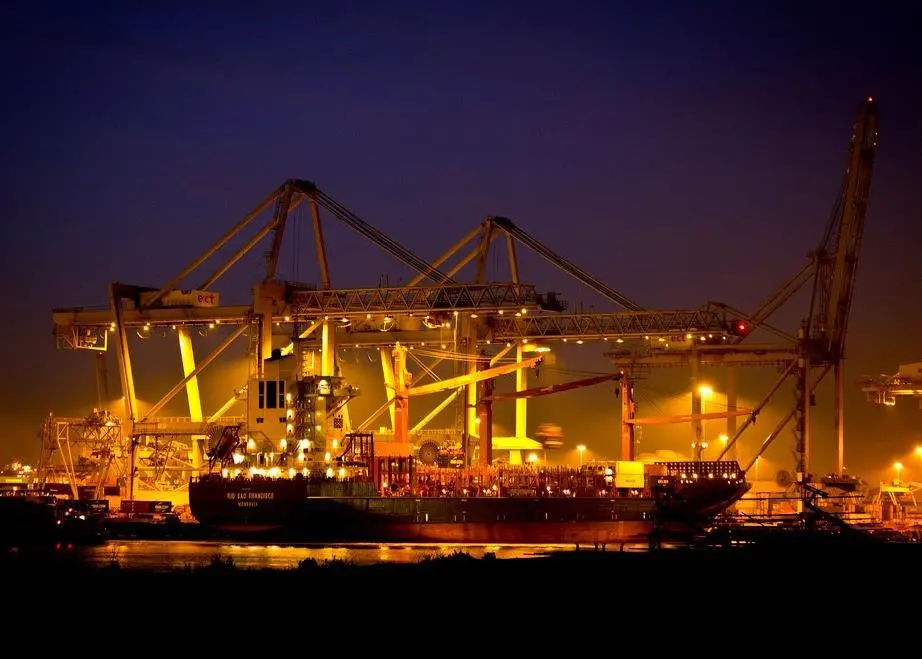
This will particularly be the case in mature economies where labour costs are high and usually account for the largest operational cost.
In practical terms, this will mean greater reliance on automation as a path to reducing costs and therefore the need for a new genre of workforce whose skill-set is more knowledge than labour-based. It is already clear that with automation that you can reduce the wage bill by being able to scale down the size of the workforce.
Equally, however, it is reasonable to expect to see a workforce profile with higher educational qualifications and generally a greater knowledge requirement to realise modern day operational processes. One simple example of this is that in an automated terminal the supervisory requirement takes a marked step up. Another is that invariably automated processes are subject to requirements such as continuous improvement programmes and that these elements require a significant amount of ‘interpretation’ on the behalf of terminal personnel which, in turn, requires a higher skill set.
This a big step forward from basic activities such as humping sacks of cargo out of the holds of general cargo vessels, although of course this still continues in the emerging world.
The process of change also entails recognition on the part of unions that another major change in the terms and conditions of employees has to be accommodated. Automation does not sit well with the idea of ‘tea breaks’ or high manning levels associated with specific tasks. These are at odds with the goals of automation.
Much will depend in this sort of situation on the relationship between employer and unions and their willingness to work together to ‘manage the change’. Inevitably, this will be a challenge that more and more parties have to face. It might be as regards a whole terminal set-up or it may be in conjunction with a component part of a terminal operation but generally it is clear that this sort of challenge will become more prolific
Change afoot
The container handling system in itself represented a major challenge for port unions. There was, however, still a strong manual element associated with the operation of the system but the current ‘quiet revolution’ perhaps promises to have an even more profound impact on port labour as it promotes the requirement for a new profile of employee with a better level of education that meets the requirements of an information based and skill-intensive work environment.
One other distinctive feature of this change is that it promises to be more achievable as it doesn’t have political linkage. Things have moved on since the last major era of port reform in mature economies. The front line of port operations is now mostly privatised and hence this new climate of change is employer-employee focused as opposed to government-government agency(public sector port company)-employee focused. This can only be a good thing – history confirms the political dimension has never played particularly well in the port sector. Indeed, politicians in general appear to have been only too happy to retreat from day-to-day involvement in the sector at the first available opportunity.
At a more mundane level, we perhaps also see this latter reality in initial ‘sound bites’ from the new Kenyan Government as the Kenya Ports Authority progresses the development of its new Mombasa container terminal and similarly as part of the thinking of the Government of Israel in seeking to pursue the introduction of new container handling capacity on a BOT basis. There is a recognition by politicians that the best place for labour issues is at arms’ length!
Related Articles
 POST SCRIPT
 POST SCRIPT
 POST SCRIPT