

Heavy turbulence
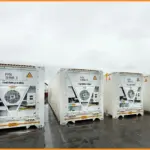
COMMENT: The best guestimate is that there are up to half a million containers in ‘nowhere land’ thanks to the collapse of Hanjin Shipping. Not all of the containers are on ships either; many are inland.
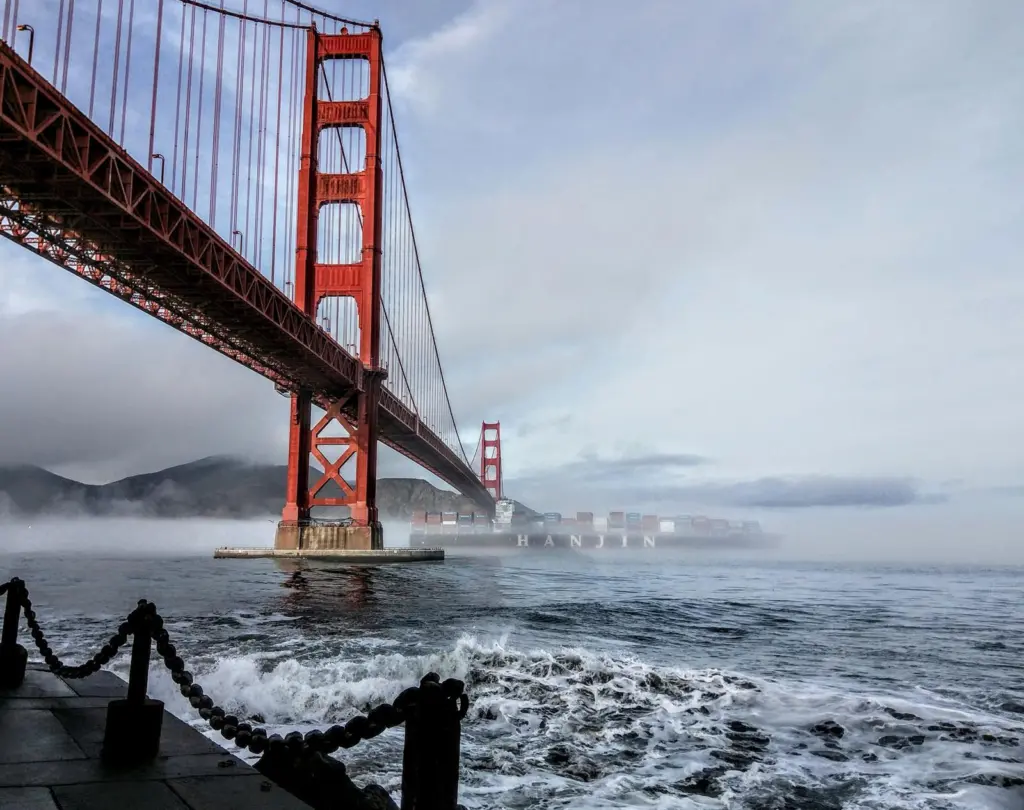
What does it take to access them if you are a cargo shipper looking to get your garments, electronic products or other essential goods back into your supply pipeline? Well, money of course to pay the inland transport cost, or the terminal fees, or the deposit on the container required by many terminal operators.
Not surprisingly there have been complaints from cargo owners, customs brokers and forwarders about terminals charging exorbitant fees to release containers. Commissioner William Doyle of the Federal Maritime Commission has publicly declared that he is aware of charges as high as $4200 per container for release. A group of US-based customs brokers and forwarders is also known to have filed two cases with maritime regulators citing excessive charges associated with Hanjin containers being levied by a New York/New Jersey terminal. There are other similar cases in Europe and Asia.
It is clear that charges representing substantial multiples of the actual charges are not appropriate. But on the other hand, somebody has to pay for the required services, and reasonable increases over the normal charges are to be expected. Where reasonable increases are applied it is hard to feel sorry for cargo shippers who have long been enjoying the benefit of bargain basement freight rates.
Those rates did rise significantly in the immediate aftermath of Hanjin’s bankruptcy but already they are well on the way back to what we understand to be ‘normal levels’ nowadays. So not a lot of solace there for the other major shipping lines who daily face the challenge of too much shipping capacity and faltering world trade. The common perception among industry analysts is that it will take some time yet – up to five years some say – for demand and supply to sensibly aligned.
Oversupply continues
And even once cargo is finally reunited with owners, the Hanjin factor will continue to play out on the supply side as many of the vessels in its fleet are high quality vessels that are chartered in. The charterers will be keen to find new homes for these vessels and will accrue their own financial problems associated with this. If there is any inclination to get these vessels to sea at discounted daily rates, could we see 13,000 teu and even 9,000 teu capacity vessels coming back into service offering lower slot costs than ultra large container vessels?
Hanjin’s failure will also undoubtedly put the ship finance community on guard. There is the strong prospect that finance for new ships, refinance and other reasons required by shipping lines will become more difficult to access, and following on from this more expensive. This is bad news for the many lines hanging onto survival by their financial fingertips.
On the port side, Hanjin’s container terminals have been highlighted by some as a potential source of cash to ease the company’s dying throes and assist in the delivery of containers, but perhaps the interest will not be as much as anticipated. There are other shipping line terminals currently on the market that will compete for a buyer and remember that shipping line terminals are invariably run as cost and not profit centres.
In Hanjin’s case, the terminals cannot be sold with the traffic volume that they have traditionally handled, so what will be for sale? Possibly not an existing business but just an empty terminal – hardly a very attractive purchase proposition.
Related Articles
 POST SCRIPT
 POST SCRIPT
 POST SCRIPT