

The world trading system is in transformation and promises to bring changes to the flow of goods traded internationally. The results may be more disruptive than anticipated.

It seems to me that the global order of trade is in transformation to a new order, the results of which are not yet clear. Following the rapid development of globalization in the production of goods that took place at the end of the Soviet era and the optimism that lasted into the 21st century, we are now witnessing a growing number of fundamental changes that impact the flow of trade.
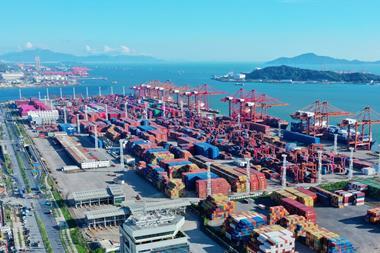
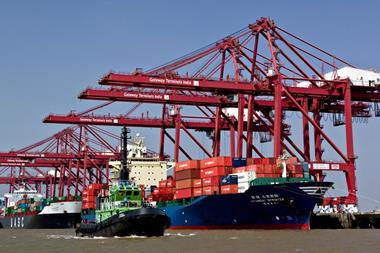
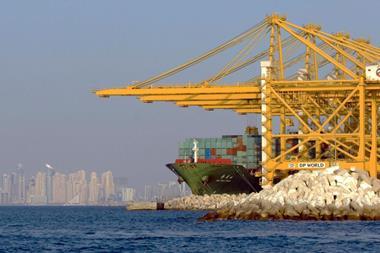
The maritime sector, including ports and vessel ownership has become far more concentrated with significantly less smaller port operators and increasingly larger independent shipowners and operators. In short, when the European Union (EU) feared shipping alliances when conference alliances were disbanded, we now see individual corporate entities having surpassed the concentration levels feared at this time.
We have also witnessed the level of profitability in both the port/terminal and ship owning sectors reaching heights once only dreamt of. Major shocks to the system such as the Red Sea crisis are easily being dealt with without too much disruption and indeed serve to create more profitably.
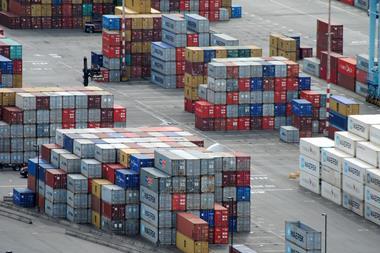
But the biggest transformation is reflected in the way goods flow. With globalization there was relatively little impediment to the flow of goods as the shift in production transitioned from high-cost western countries to the lower cost eastern regions of China and Southeast Asia. This created a high demand for ships and as a result induced further concentration of economic resources.
The rise of greater national consciousness by the 2nd decade of this century began to see a slow shift of production closer to the points of consumption, particularly with the expansion of the EU which resulted in access to cheaper labour closer to home. This was further accentuated with the first Trump Administration which dabbled with tariffs in order to encourage industrial investments in the United Sates. After eight years there was little to show for it in terms of a shift of production and price inflation was held in check by the absorption of the cost increases by the exporting countries and the importing companies alongside relatively strong economic growth in the U.S., which allowed for higher consumer income.
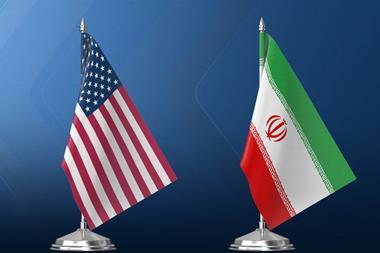
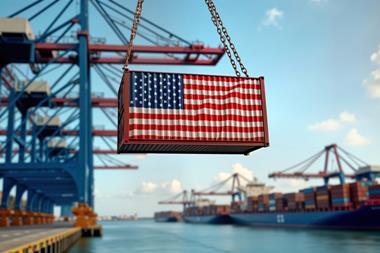
Now we are facing the 2nd Trump assault on international trade that appears to be more global in reach with higher levels of tariffs, often not related to trade but more “imperially” motivated for global expansion. If the expansion of tariffs applied by the U.S. continues for the next few years, we will see a significant disruption to the historical flow of trade as logistics supply chains adapt away from the U.S., strengthening trading ties between Europe, Asia and Latin America, to the detriment of the U.S. and its consumers
It is too early to ascertain the full impact of poorly thought out and uninformed trade policies, but the future does not look rosy.