While the ports, and business entities within them, are buttressed by the ideas underlying “free trade,” they are not immune from being caught up in political rip currents.
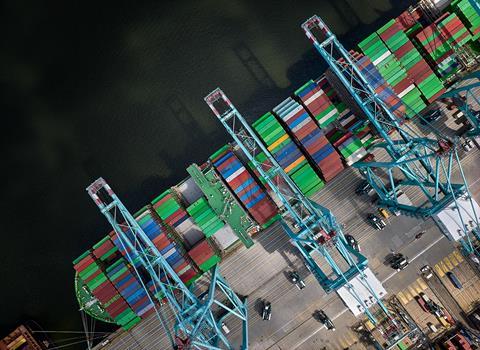
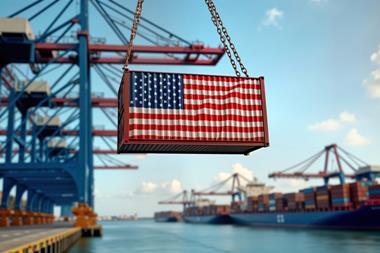
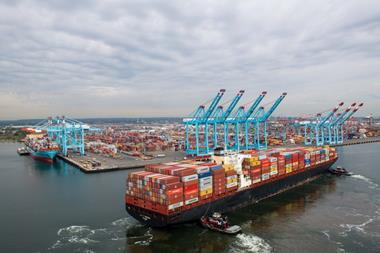
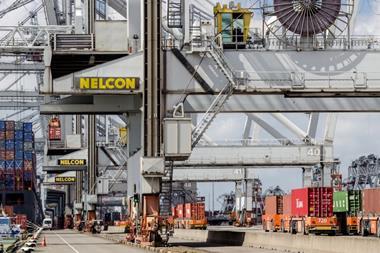
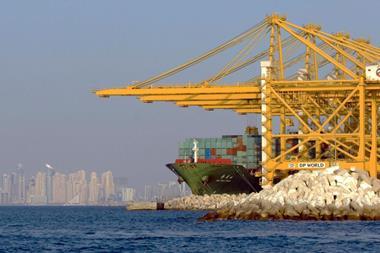
So it is with the ship-to-shore (STS) container cranes that are used to work the behemoth container vessels along coasts in the States - with the Biden administration proposing hefty tariffs (in the order of 25%) on imports of cargo handling hardware from China - set to come into effect later this summer. The tariffs are part of a broader programme from the White House which also seeks to stem imports of electric vehicles, batteries, and computer chips from China, against the backdrop of frostier relations.
When looking at issues like this, I try to look past the political talking points and geopolitical fear-mongering, surely an impossibility in this election year (aforementioned “rip currents” says it all). The practicalities, as presented by the American Association of Port Authorities (AAPA), and by a group of ports, in comments to the proposed tariffs, are that no manufacturing capabilities for producing equivalent cranes actually exist in the States. In its comments, responding to the U.S. Trade Representative proposals, the AAPA suggests allowing existing orders for Chinese manufactured ship-to-shore cargo cranes to be exempted from tariffs (or tariff imposition delayed, if such measures on cranes are ultimately enacted following a proposed more detailed economic analysis).
To me, the exemption makes a great deal of sense- though I would say that the port community (presumably through trade associations) needs to take the lead in actively prodding possible manufacturers in the States to climb aboard. Ports’ comments submitted re the proposed tariffs also highlight concerns about the role of cargo handling hardware in widening the supply pipelines and alleviating potential disruptions. If orders for cranes are delayed, or cancelled, disruptions in supply chains (albeit incremental) are more likely. While the 2021 - 2022 situation (caused more by backups on the landside, rather than at the quays) has faded from memory, readers have surely noted a rise in the leading indices of $/TEU freight costs - due to longer voyages and hopefully presaging nothing more than lengthier sea transits.
From my perspective, in Spring, 2023 - when cargo cranes were first brought into the political dialogue, infused with numerous concerns about national security (supply chains not being immune to computer hacks), I was more concerned about a different set of potential vulnerabilities - those tied to the cranes’ software. At that time, the US Coast Guard (USCG) did issue security directives to ports, and now has proposed rule-making that would bring cyber-security into the relevant legislation. In mid-2024, again from inferences drawn from AAPA and ports’ comments, such fears now seem to have been reckoned with through proactive actions, and the ability to switch out software.