



SUMMER OF DISCONTENT
This is the summer of discontent in Europe with a raft of port and wider transport strikes in play. What is the solution, is there one? Equally, it is important that wider workforce issues are not overlooked with the current focus on pay and keeping pace with inflation.
Its not an unusual reaction – if inflation spikes, the cost of living rises then it is more or less inevitable that port workers, along with many others in diverse industry sectors, will want significant wage increases to maintain living standards. A simple logic often underpinned by the belief that many port employers have been ‘doing quite nicely thank you’ as a result of the unique operating conditions born as result of the pandemic.
This latter view undoubtedly has a selective element – typically the impaired performance of most companies in the first year of lockdowns – 2020 – is set aside in favour of focusing instead on 2021, the year which for most companies was the so-called recovery year.
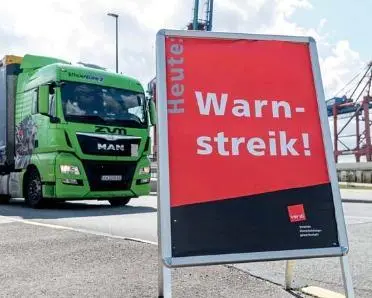
It is not surprising then that, at the time of writing, Europe in particular is the focus of a number of strikes by port workforces. Germany is the prime example – in late June thousands of workers from the ports of Hamburg, Bremen, Bremerhaven, Brake and Wilhelmshaven implemented a second 24-hour strike with a bigger turn-out than the original June 9 strike reported to involve approximately 12,000 port workers. The strike followed a fourth round of wage negotiations failing.
In Belgium port activity has been impacted by two separate days of trade union strikes – one at the end of May and another in mid-June. Reports indicate that key ports such as Antwerp-Bruges were to some extent able to manage the situation by planning for reduced working on the strike days which facilitated keeping things ‘ticking over’.
In addition to seeking wage increases to offset inflation they also represented a strong protest against wage legislation.
The UK is also not exempt from strike action – a national rail strike took place for three separate days in mid-June leading to major concerns over the ability of supply chains to function properly. The UK’s Network Rail, with the latter in mind, prioritised rail freight services over passenger services where they could be operated including in daylight hours. The net effect, however, was still comprehensive disruption, and at the time of writing no certainty regarding the end of these strikes, a reality that also applies to Germany and Belgium’s strikes.
ON TOP OF EVERYTHING ELSE
So, what a cocktail! Add striking labour to the ongoing volatility of supply chains which continue to suffer from lockdowns in China generating ripple effects along the cargo pipeline, labour shortages and mounting port congestion – as now manifest in northern Europe – and you have an exceptionally challenging picture building day by day.
Ironically, under normal circumstances if one port centre shuts down then ‘one man’s pain becomes another’s gain’ – i.e. typically the business is relocated for a while to another port centre but under current circumstances, in northern Europe in particular, with multiple strikes in progress, and terminal capacities pushed to the limit by the other operational negatives this is just not a feasible alternative.
Bottom line, the only route out of this quagmire is negotiation and the word that is open to diverse interpretations, namely, compromise! As history tells us, however, with spiralling inflation in play this is by no means easy to achieve, it has a polarising effect on the two camps of employers and workers/unions. As PS goes to press, the reality of the current situation is, simply put, watch this space…
NOT CLOUD THE PICTURE
As a footnote to this discussion, it is also important to say that the issue of pay is important but there are other equally important workforce issues – as experience earlier this year in the port of Piraeus, Greece tells us.
The Collective Bargaining Agreement signed here by D Port Services, a company that provides labour to COSCO Shipping for the operation of container facilities at Piraeus’s Pier 1 and III, did serve to lift salaries significantly but in addition introduced a number of other measures of benefit to the workforce. These included: the conversion of rotating contracts to full time status on a phased basis; agreement on a range of internal upgrades with positive salary implications, addressing safety concerns and the introduction of health insurance on a fully paid for basis.
Effectively, a big step in the right direction in terms of putting in place proper all-round conditions of employment. A factor that should not be overlooked in the current climate of inflation prompting a strong focus on remuneration.
Related Articles
 INSIGHT & OPINION
 INSIGHT & OPINION
 INSIGHT & OPINION