



The World Turned On Its Head?
Is there a seismic shift underway in the traditional rules of engagement? Will the world we know today be turned on its head and what are the priorities to survive in this challenging new world? Andrew Penfold charts the future
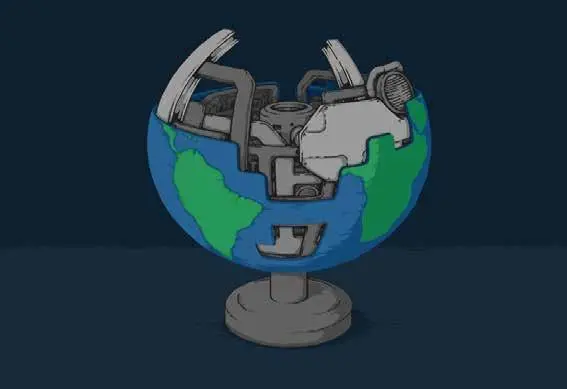
2022 has seen a change in the structure of the global economy. Many of the assumptions that have driven globalisation are up for question. What does this all mean for our business?
Since 1990, the pace of globalisation – and resulting container and raw material trade demand – has accelerated, notwithstanding the financial crisis of 2008 and the Covid panic. The primary driver during this period has been China, as a source of manufactured exports, raw material import demand and investment capital. All of this has occurred within the ‘Rules Based System’ inherited from the GATT, WTO and the post-World War II settlement.
As we stand in the middle of 2022 much of this is being called into question. The Russian invasion of the Ukraine and the resulting energy crisis and sanctions regimes have undermined many of the assumptions upon which world trade has been predicated.
These have emphasised some well entrenched difficulties:
There are more situations where the established legal framework controlling investment has been undermined, with reports of increased ‘state-to-state’ deals – often in a highly opaque manner, reminiscent of a much more uncertain investment climate. The move towards relocating manufacturing nearer to demand and the entire shift from ’Just in Time’ to ‘Just in Case’ inventory is also rapidly changing expectations and all of this in a climate of much more expensive money.
If we are faced with a return to the Cold War set-up, what will this mean? Much is different, but much remains the same.
CHINA-RUSSIA BLOC?
If geopolitics means the emergence of a China-Russia bloc in isolation from the rest of the world with neo-colonialism shaping its relations with the Developing World, then energy and container trades will radically shift.
Its food for thought when you invest in a port. You can’t sail it away and your payback period – even under the best conditions – is seldom less than eight years. Will there be a flight to quality, with investors happy with lower returns on the basis of reduced risk? Will non-Chinese Asia (including India) step forward as the driver of growth in containerised trade? How fast will this happen? What does this all mean for each trade sector?
On the one hand, major western economies, given the sheer size of their collective economies, will remain in the driving seat but will certainly seek to relocate manufacturing either at home or in much more stable locations. This is already happening. In addition, raw material demand can only be weakened by a constrained China, with both of these trends playing through into weaker container and dry/liquid bulk demand.
These are structural shifts but if the Ukraine crisis continues and we have a global recession (or even a Depression?) then all this could happen much more quickly than may seem likely now and certainly from the pre-Ukraine perspective.
Investors need to factor in these risks. Are some of them insurable or avoidable and what strategies are required to balance risks in this changing environment? Does a global portfolio approach mitigate the worst risks, or should attention be focused on established markets? If so, how will demand develop under these conditions?
One thing’s for sure: established comfort zones are going to change…
Related Articles
 INSIGHT & OPINION
 INSIGHT & OPINION
 INSIGHT & OPINION