While container handling equipment is now mostly automated, digitalisation does not automatically lead to better services, says Kalmar.
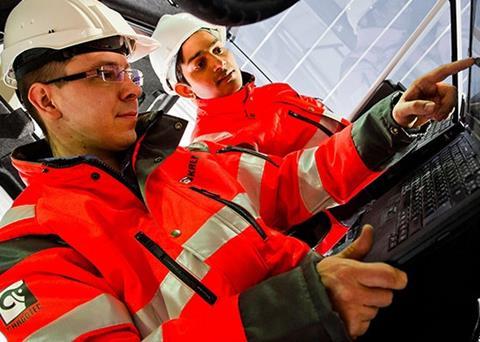
Kalmar says "data is useless without analysis"

Kalmar says "data is useless without analysis"

An article co-authored by Jari Hämäläinen, director offering development at Kalmar and Mikko Nurmi,M.Sc. (Information Management), creative lead at Leadin, looks at the advantages of digitalisation in the industry and its ability to break down “data barriers between vendors and clients”.

Automated processes increase the “consistency, scalability and timeliness of services”, and digitalisation can improve the speed and quality of maintenance and delivery, in addition to providing valuable real-world data from operations, says Kalmar.

In addition, equipment and service providers can share information on the machines, their maintenance and operational status and customers can become more open about their operation metrics and provide feedback that helps improve equipment and services.

“But, this data is useless without analysis. Data must be turned into insights,” the article states. “In the digital era, the problem is no longer a lack of information; it’s having too much of it, or having information that is of insufficient quality.”

Digitalisation has transformed many consumer and B2B businesses, and will have a major impact on the container handling industry, adds Kalmar and with this, new opportunities will appear based on data collected throughout the lifecycle of each product, and all information on container terminal operations will be at one’s fingertips for real-time decision-making.

However, “automated processes are merely enablers for services in which we humans still play a key role, and digitalisation is not an end unto itself”.

The future development of new tools, technologies and applications should therefore be driven by their ability to create value for the customer’s business and making lives easier, concludes Kalmar.
Topics