COMMENT: Never is there a better time than the turn of the year to do a Crtl+Alt+Del, writes Charles Haine.
We hurtled towards the festive break in the vapour trail of a 2019, characterised by geopolitical noise and trade squabbles at the global level and ever-increasing speedy logistics closer to home. Who didn’t use the internet to order presents last year?
We are seeing an era of big change. Trends in our consultancy commissions at WSP drop monster hints about what’s occurring in the wider world of trade, ports and port-cities.
In January, Larry Fink, Chairman at Blackrock, made a seismic announcement. They’re putting climate-risk analysis at the heart of future investment strategies. They’re invested in over $630bn of assets.
The Bank of England also announced that seven lenders will ‘stress test’ the climate resilience of their investments. It’s coming – fossil fuel-related projects will be on the wane. Lenders are proactively looking to support cleaner developments.
Leading on from that, business influencers – such as the Aldersgate Group – are calling for mandatory TCFD (task force on climate-related financial disclosures, the 2017 Michael Bloomberg initiative) reporting from all companies. This will require publication of decisions and forward-thinking on climate risks and opportunities in directors’ reports.
‘Mitigation’ (GHG emission reductions), ‘adaptation’ (becoming more resilient to the 50-70 years of climate hurt we are already locked into) and ‘transition risks’ associated with the global push to net zero are included in that.
Inherently connected to these, products for insuring liability in the insurance world are evolving. Talking to professionals in that sector, the thinking is that we might be close to a company going down as a result of negative market responses to greenwashing. That’s where a company’s misleads customers about the environmental or climate credentials of its products/services.
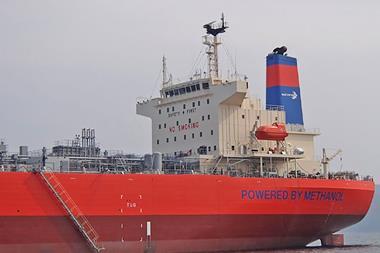
Just watch the adverts between TV programmes to witness examples of such oxymoronic claims. Post-IMO 2020, tremors from the new low-sulphur fuel regulations in maritime shipping may have knock-on effects on broader-ranging fuel and efficiency programmes in the supply chain.
Coupled with the public health outrage of poor air quality, this could affect rail, road and river transport. CNG Fuels is the leading supplier of bio-CNG (compressed natural gas) sourced 100% from renewable biomethane.
It cuts GHG emissions by 85% and costs 45% less. Two haulage companies are using it in the UK, so in this net zero era – what’s the business and reputational case for using diesel now?
There’s a food revolution underway as our understanding of the health implications of eating processed foods is starting to bite. Ordering, transport and the stocking strategies of retailers will shift.
Quorn (Greggs’ vegan sausage roll anyone?) is the first major brand to declare it will publish a carbon label. That’ll be a challenge for shipping although less so for ports, which contribute only a fraction of the carbon footprint. Many people I know have stopped buying fruit and vegetables from far flung locations. People are talking about carbon miles vociferously.
Ethical supply chains will gain more publicity in 2020. You can add to the sizzling skillet above more scrutiny and an evidence base in manufacture and transportation without traces of child labour, payment at living wages and decent working conditions.
Might we see apps using blockchain capturing environmental, social, carbon and sustainability data? I think it’s just a case who wants to lead on that. Port and terminal operators are evolving into the smarter ways of working, using widgets, add-ons and plug-ins to allow compatibility in existing digital platforms.
This is in cargo handling through to workforce training, which, in turn, will include upskilling on digitisation itself. We will see increased automation (where there is a labour supply crunch), machine-learning and use of AI to accelerate decision-making.
Expect to see more outsourcing and partnerships in the supply chain as companies realise specialists can perform certain functions faster and cheaper. Good news for port-city relationships.
With mayors and city organisations taking a lead on climate resilience and being future-ready, we will see chances to support – or at least consider – more community and citizen-driven ideas and innovation.