

Lithuania moves in on LNG
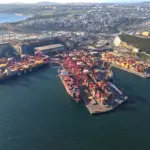
The Lithuanian seaport of Klaipeda is “setting a measure of independence” with a new floating LNG terminal – said to be the first in the Baltic region.
The port, which is the largest in Lithuania, functions as a transport hub for Belarus, Ukraine, Russia, Kazakhstan and Moldova. Despite the ongoing economic and political uncertainties in relation to Russia and Ukraine, Lithuania’s logistics sector has remained strong and even managed to increase its added value last year. In 2014, it handled more than 450,000 teu, a 23% increase and a new record for the port.
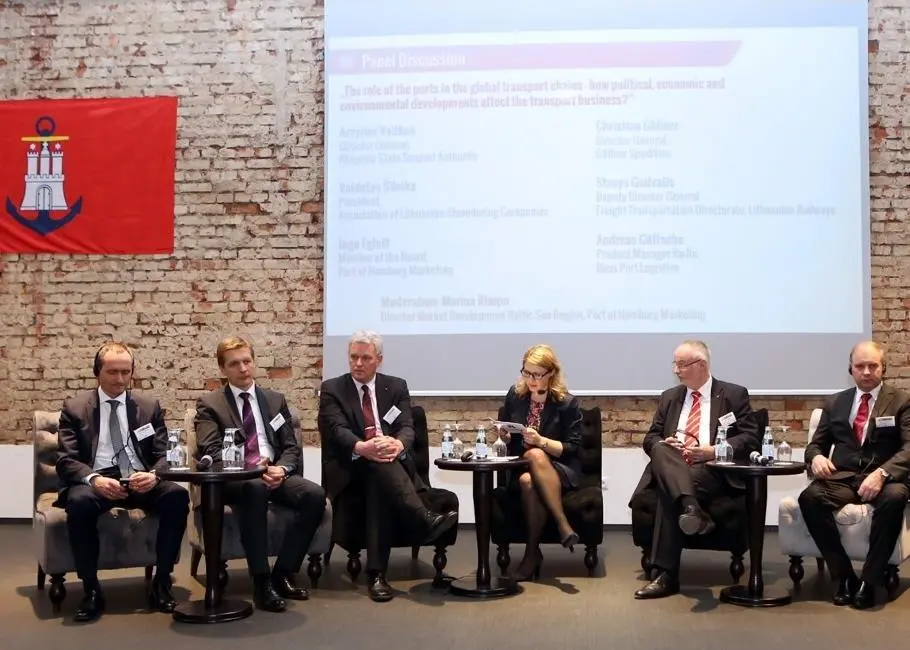
Now, plans to develop the port with a new floating LNG terminal have resulted in a partnership between the Klaipeda State Seaport Authority, the Association of Lithuanian Stevedoring Companies and Port of Hamburg Marketing (HHM).
“Intensifying cooperation during this difficult period will help not only the Russian economy but also, and especially, the people who are greatly affected by the sanctions the loss in the value of their currency,” added Ingo Egloff, executive board member, HHM.
With regular scheduled feeder and shortsea liner services, the Port of Klaipėda offers good connections to and from the Port of Hamburg. In 2014, some 84,000 teu of seaborne cargo were moved between Hamburg and Klaipėda, including both imports and exports of chemical products, food and luxury goods as well as agricultural and forestry products.
The new LNG terminal is expected to boost the country’s “security of supply”. Initially, it will receive deliveries of liquid gas from Norwegian company, Statoil, but talks with other suppliers are already underway.
Marina Rimpo, who heads the ‘Market Development Baltic Sea Region’ division of HHM and closely monitors developments and challenges in Lithuania, which represents an important market region for the Port of Hamburg, added: “All ports, whether in northern Germany or in Lithuania, are currently operating under conditions reflecting the impact of the Ukraine crisis, a weak Russian economy and new environmental requirements.”
“Matters such as investment in infrastructure and the leasing of land affect all of us. For this reason our partners in Lithuania are hoping for more support from partners in Germany both at the political and economic level,” she concluded.
The Klaipeda State Seaport Authority also has plans for providing bunkering of ships in port with LNG, as a further contribution to environmental compatibility.
Lithuania’s port and logistics sector is already in for a year of change with the introduction of the euro, which is expected to lower costs and increase planning certainty, while billions of euros in European Union funding is expected to speed up the expansion and upgrade infrastructure.
Despite the highly volatile environment, the EU Commission projects a growth rate of 3.1% for Lithuania in 2015, meaning the country’s imports and exports should also increase in volume.
The seaport of Kiel also has good links with Klaipėda – a ro-ro service for vehicles and other rolling cargo has been in operation between the two ports for over 22 years.
Port of Lübeck operator Lübecker Hafengesellschaft is also currently in talks with prospective partners about establishing a regular service between Lübeck and Klaipėda, leaving options for future plans.
Related Articles
 ALTERNATIVE FUELS GREENPORT
 ALTERNATIVE FUELS GREENPORT
 ALTERNATIVE FUELS GREENPORT