![PortStrategy[GreenPort]](https://www.portstrategy.com/wp-content/uploads/2026/09/PortStrategyGreenPort.svg)


LNG bunkering for key European ports
The rise in eco-legislation and the search for emission lowering fuels has prompted the Linde Group and Bomin to get together to build liquefied natural gas (LNG) infrastructure for the maritime sector.
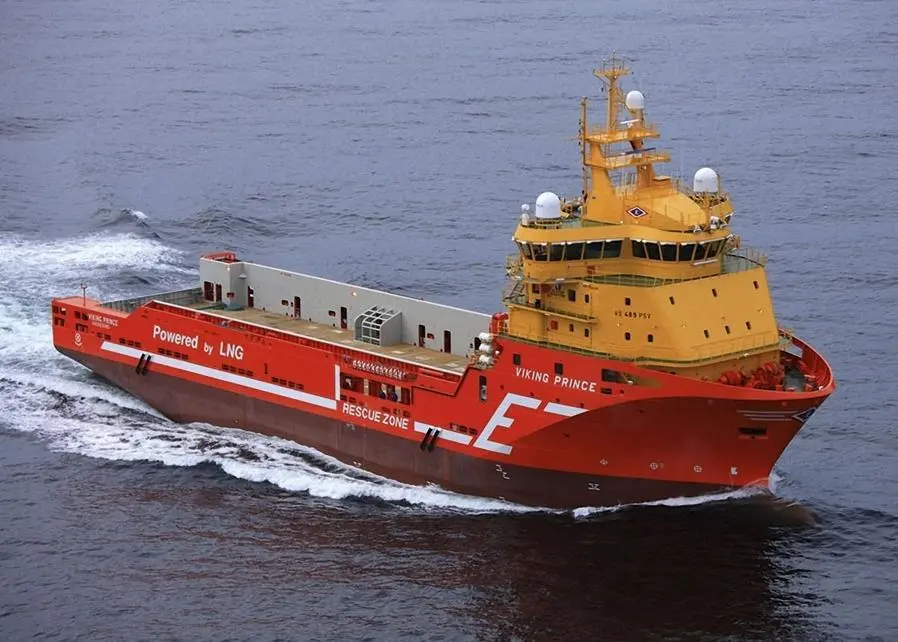
The match, which pairs Linde’s experience in cryogenics with Bomin’s maritime bunker fuel operations, aims to establish a safe and reliable LNG supply throughout the Emission Control Areas (ECAs) centred in a number of key ports in North-West Europe.
Sulphur in fuels used in ECAs (already restricted) will have to be further reduced on January 1 2015 to 0.1%, and there has been a correlated rise of interest in LNG power, evidenced by both dual fuel and twin engine developments. However, much of the industry has been aware that a lot of development has been awaiting a more complete network of LNG bunkering facilities.
In any case, it seems that the balance has finally tipped: global demand for LNG is expected to increase by more than 10% per year, making it the fastest growing energy product in the world. In 2015, some 70 vessels are expected to run on LNG in the Nordic region. According to a study by the Danish Maritime Authority the consumption potential of LNG is estimated to reach approximately 4m tonnes by 2020.
Headquartered in Hamburg, the 50:50 venture (given the relevant antitrust approval) is due to start its operations in the latter part of 2012.
Related Articles
 ALTERNATIVE FUELS GREENPORT
 NEWS
NEWS