![PortStrategy[GreenPort]](https://www.portstrategy.com/wp-content/uploads/2026/09/PortStrategyGreenPort.svg)




Looking after truckers to maintain port efficiency
The Port of Vancouver is getting better at engaging its stakeholders which it says is the only way to increase its efficiency and sustainability going forward.
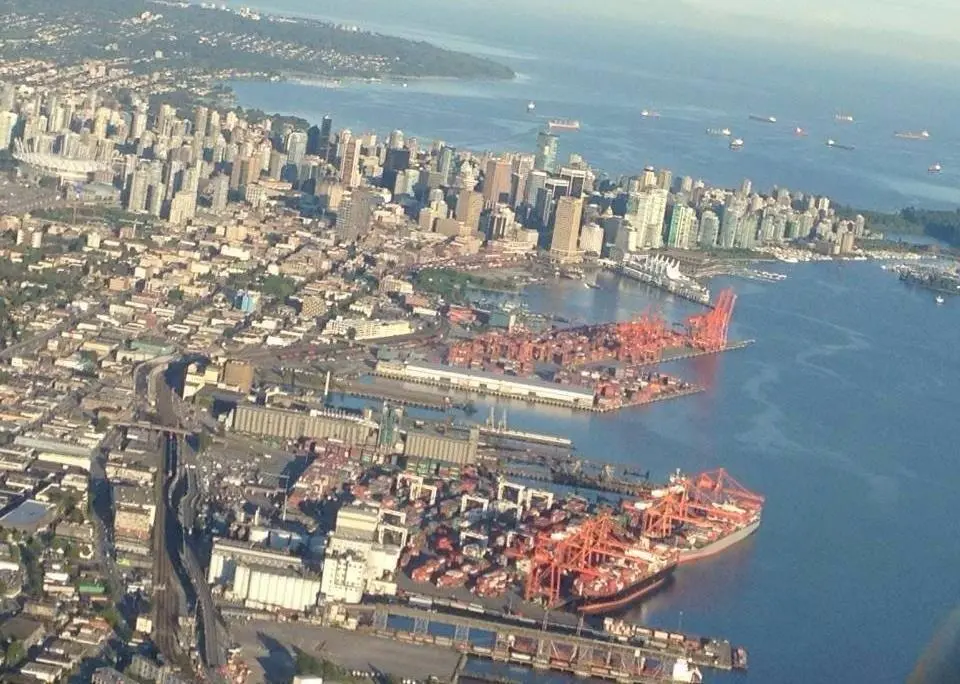
Changing its charges to offer smaller trucking companies fairer rates is the latest step by the port to look after its truckers smoothing the way towards more efficient goods transport.
“Changes were made to incorporate what we heard, which ultimately led us to a solution that will benefit the industry overall,” said Peter Xotta, vice president planning and operations at the Vancouver Fraser Port Authority.
Trucking efficiency
The port authority has been implementing a number of changes to improve its trucking efficiency.
Drivers are now compensated by the terminal operators when they are forced to wait at a terminal over and above acceptable limits.
The container trucking sector falls primarily within the jurisdiction of the provincial government, while the port authority controls which trucks can access the port and enforces environmental standards to control air emissions from those trucks.
All container trucking companies and their trucks desiring to serve the port’s marine container terminals must meet certain criteria, including environmental requirements, to be eligible for an Access Agreement under the Truck Licensing System to gain access to the federally-owned port property.
Compliance with the environmental programme is mandatory to gain access to port facilities. The key environmental requirements for truck approval in Truck Licensing System target engine age restrictions and idle reduction. This includes mandatory opacity testing, idling reduction and a minimum truck age requirement.
Related Articles
 ALTERNATIVE FUELS GREENPORT
 OPERATIONS
 ALTERNATIVE FUELS GREENPORT