



New Zealand planning reform lauded
New Zealand’s port sector holds high expectations the Government will amend the Resource Management Act to ensure consent for vital port developments can be achieved in a timely and cost-effective manner.
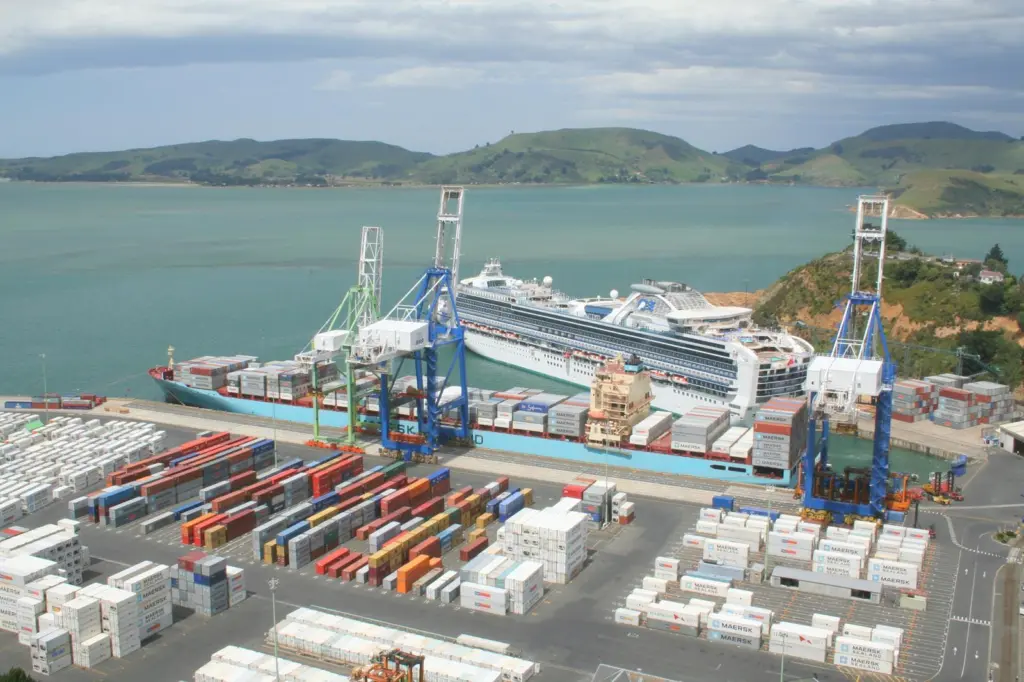
Having seen his port become the first to gain consent to deepen its harbour channel in preparation for larger containership callers, Port Otago chief executive Geoff Plunket laments a process which has taken the better part of five years.
“The RMA in its current form is too cumbersome and difficult,” he tells Port Strategy.
“Projects like this need to stand up to more environmental scrutiny these days, but the weakness in the current process is small groups can have undue influence and drag it on endlessly and then you incur a lot of cost.
“If we want to have a First World economy, it is absolutely essential that we trade with the rest of the world and so we have to put in place the infrastructure to do that. Some recognition that essential infrastructure is essential for the country’s economy would help smooth through some of the consenting issues.”
Mr Plunket notes that prior to the introduction of the RMA, which was introduced in 1991, harbour boards were themselves the designating authorities.
Port of Tauranga recently reported that without taking staff time into consideration, it had spent NZ$2.5m (US$2.1m) in RMA, legal and court costs to date on a similar dredging consent over the past four years. Appeals to the previously-granted consent are ongoing.
Notes Port of Tauranga chief executive Mark Cairns: “Given the economic importance of ports to New Zealand’s economy …it is our view that ports should be included under Section 6 of the Act and considered as matters of national importance.”
The Government recently introduced the first phase of its RMA reform which included an enhanced “call-in” provision to enable the Minister for the Environment to streamline the consenting process for projects of national significance.
A further Bill, which is predicted to give even greater weight to such projects, is expected to be presented in the second quarter of 2013.
Related Articles
 WORLD
WORLD
 PORT & TERMINAL NEWS
 PORT & TERMINAL NEWS