



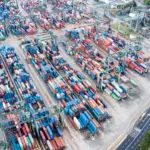


LNG and methanol lead the pack
Liquefied natural gas (LNG) and methanol are the most promising alternatives to help reduce the shipping sector’s carbon footprint, according to a report by the Joint Research Centre (JRC).
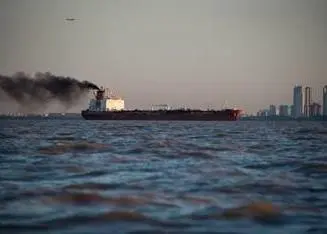
The JRC, which informs EU policy through independent scientific research, claims that, despite shipping being more fuel-efficient than road transport, greenhouse gas emissions are still substantial, representing 4% of the EU’s total emissions in 2013 and growing fast. Without action, these emissions are expected to more than double by 2050.
Market penetration by alternative fuels has already begun by introducing greener ships running on cleaner fuels and a European Commission strategy on reducing maritime emissions has led to a legislation that requires large ships using EU ports to report their verified annual emissions and other relevant information as of 2018.
The report reviews low sulphur grade diesel fuels, biofuels, traditional fuels, gaseous fuels and battery operated propulsion, Fischer-Tropsch (FT) or synthetic diesel, pyrolysis oil, hydrogen in combination with fuel cells, solar power and wind energy as potential alternatives to fossil fuels.
Results show that from a long-term perspective, moving to LNG and methanol is strategically attractive as each of the two fuels has a biofuel counterpart, biomethane and biomethanol.
This means that ships and infrastructure built for LNG and methanol can be used to supply bio methane and bio methanol without a large overhaul of installations. This could equate to using the two fuels as transition fuels before making a major shift to biofuels.
However, their potential use will depend on a number of factors, including environmentally sustainable biomass feedstock for their production, cost-effective production technologies and ultimately on their market penetration.
Related Articles
 ALTERNATIVE FUELS GREENPORT
 ALTERNATIVE FUELS GREENPORT
 ALTERNATIVE FUELS GREENPORT