![PortStrategy[GreenPort]](https://www.portstrategy.com/wp-content/uploads/2026/09/PortStrategyGreenPort.svg)





LNG infrastructure deadlock
As the use of LNG as a fuel picks up in northern Europe, there is potential to expand the sector in the Mediterranean but a lack of widespread bunkering infrastructure and an advanced supply chain are blocking development, according to a new whitepaper.
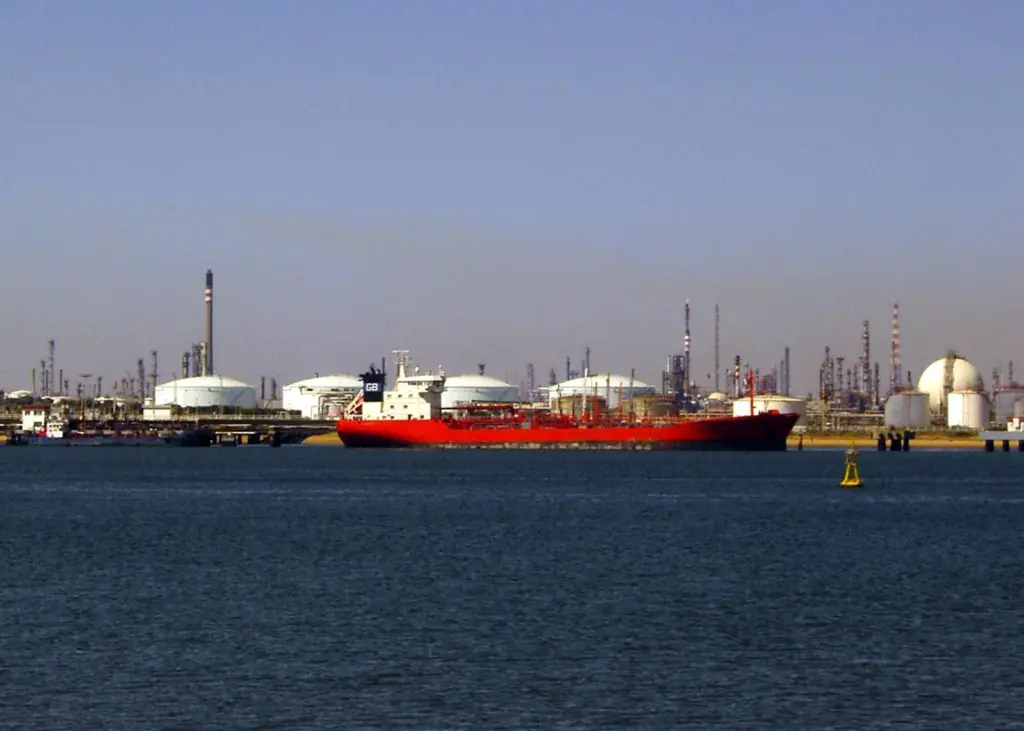
In a new LNG whitepaper by FC Gas Intelligence, the LNG industry and its potential growth is analysed. Since northern Europe’s first success story back in 2000 with the Gultra car and passenger ferry in Norway, the industry is booming 15 years later. There are currently around 50 LNG-fuelled ships
With DNV GL expecting LNG to grow even more rapidly over the next five to 10 years, with the number of non-LNG carrier vessels using the fuel approaching 1,000 by 2020, things need to change.
“Owners will not start using new fuels if infrastructure is not available, and energy providers will not finance expensive infrastructure without first securing customers,” said DNV GL in a 2014 report, LNG As Ship Fuel: The Future Today.
“Breaking this deadlock will require a co-ordinated, industry-wide effort and the political will to invest in the development of new infrastructure,” the report added.
Since LNG infrastructure needs to withstand very low temperatures, investments in its development are “hefty financial commitment”.
But, there are a number of ports who have already taken the plunge. Poseidon Med is the first LNG bunkering project in the Mediterranean and Adriatic Sea, while Greek passenger ferry company, Anek Lines, based in the Port of Piraeus, is developing bunkering in the Greek Archipelago through its participation in the European Commission-funded Archipelago-LNG project. The project aims to provide sustainable maritime transport between the Greek mainland and its islands.
Elsewhere, Spain’s Port of Huelva announced last month that it is looking at the development of LNG bunkering facilities, as well as other infrastructure improvements at the port as part of a proposed gas export terminal.
In Italy, a country the whitepaper highlights as a large obstacle to LNG development due to lack of infrastructure, Offshore LNG Toscana is a floating offshore regasification terminal currently being developed. But, its financial planning and control manager Francesco Campanale says whether the “huge potential to adopt LNG bunkering in the Mediterranean” will depend on the scope of environmental regulations, costs and cross-regional support to jointly develop projects.
Mr Campanale adds there’s also huge potential in Barcelona, Valencia and the Canary islands for local ferries to run on LNG and for other LNG bunkering infrastructure to be developed. But, more support is needed and the European Commission needs to focus on developing the Mediterranean as much as it does developing the north.
By 2020, Valencia, Sardinia and France could be potential hotspots for Mediterranean bunkering, Mr Campanale concluded. But, cross-regional cooperation is also needed between different countries and between northern and southern Europe.
The maritime industry has been “asleep at the helm” in terms of its lack of preparation for the expansion of LNG bunkering, especially in the wake of the IMO emissions regulations, said a 2013 study by Ashworth: LNG Bunkers – Coming Out Of The Cold.
Development will also depend on crude prices rendering traditional fuels more expensive than LNG, the whitepaper concludes.
Related Articles
 ALTERNATIVE FUELS GREENPORT
 ALTERNATIVE FUELS GREENPORT
 ALTERNATIVE FUELS GREENPORT