




US arm wrestle over LNG exports
The US Department of Energy (DOE) has authorised a third proposed facility to export liquefied natural gas (LNG), a clear sign of its commitment to the market.
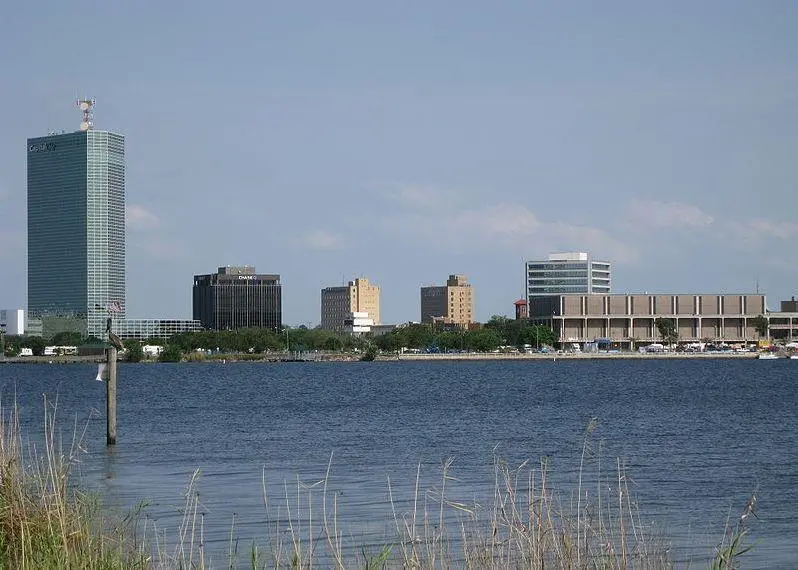
Importantly, the new facility will be able to conduct sales with countries without a Free Trade Agreement with the US opening up potential business in China and Europe.
Although the green light has been given for the new terminal at Lake Charles, Louisiana, the terminal and liquefaction plans still need to be approved by the Federal Energy Regulatory Commission (FERC).
The terminal will be owned and operated by the BG Group and pipeline operator, Southern Union. When completed it could handle up to 2bn cubic feet per day.
The DOE says that the development of US natural gas resources is having a transformative impact on helping to improve “energy security while spurring economic development and job creation.”
It says that the increase in domestic natural gas production is expected to continue, with the Energy Information Administration forecasting a record production rate of 69.96bn cubic feet per day in 2013.
But the development of the industry is not without its problems. There is reportedly a backlog of 20 pending export projects already in the pipeline. Some senators fear that they will never be built, putting the US behind others in the LNG export race to Asia.
A faction has also emerged within the US senate that wants LNG exports to be limited. One US senator, Edward Markey, has questioned the continued approval of LNG terminals in light of the fact that the US continues to rely heavily on imported natural gas from unreliable sources such as the Yemen.
And there are other challenges too. Environmentalists are against LNG exports full stop because of the controversial use of fracking in the production process.
Related Articles
 ALTERNATIVE FUELS GREENPORT
 ALTERNATIVE FUELS GREENPORT
 ALTERNATIVE FUELS GREENPORT