![PortStrategy[GreenPort]](https://www.portstrategy.com/wp-content/uploads/2026/09/PortStrategyGreenPort.svg)




Clean energy analysis cuts carbon emissions
Two clean energy initiatives have reduced one British port’s diesel consumption and eliminated 700 tonnes of CO2 emissions per year.
The Port of Tyne has completed a detailed modelling exercise and long-term analysis of its electricity network, as part of its award-winning decarbonisation and clean energy strategy.
“To date, we have invested £2 million into clean energy projects, we have cut emissions to improve local air quality and launched a new clean energy business park for the renewable energy supply chain,” said Matt Beeton, CEO at the Port of Tyne.
“All our clean energy investments reduce carbon consumption and lower our costs – going forwards we will be allocating up to 30% of our annual capex for more net zero improvements as we continue to prioritise green innovation and sustainability.”
Ambitious roadmap
The analysis process enables the port’s leadership to understand both current and future energy requirements in line with Tyne 2050’s ambitious net zero roadmaps for the port to become carbon neutral by 2030 and an all-electric port by 2040.
Currently, the port is working through an innovative asset electrification programme which involves the conversion of legacy materials handling assets from diesel to low carbon electricity.
Once completed this will include a first for a UK port – to successfully convert an existing diesel powered Liebherr mobile harbour crane to be fully electric. Existing diesel powered Drax Hoppers used for bulk materials handling are also being electrified.
Port of Tyne has also invested in a new fleet of electric vehicles, LED lighting in every building and asset, smart energy monitoring meters and a team is also evaluating the potential for installing solar panels on warehouse buildings. The switch to LED lighting alone across the port’s estate has saved over 2.5M kWh of energy.
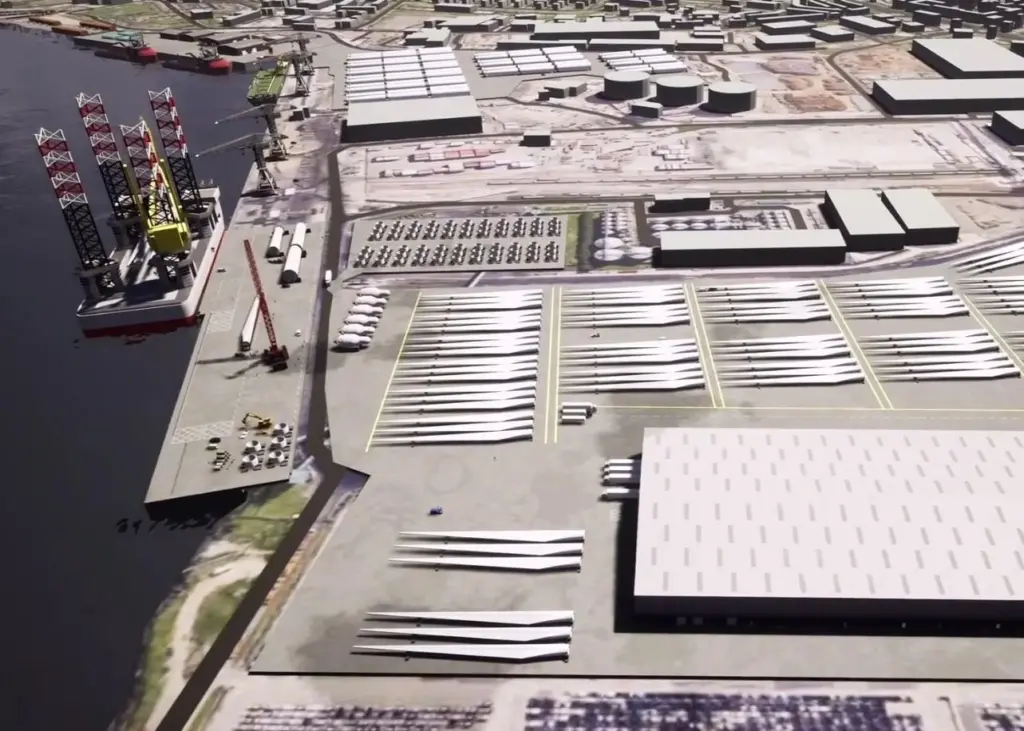
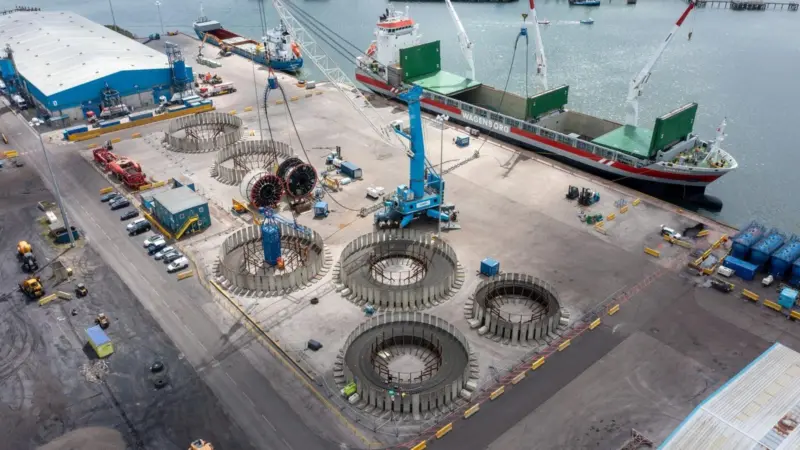
As further evidence of the port’s commitment to becoming a clean energy enterprise and innovation hub, Port of Tyne has also launched Tyne Clean Energy Park, to provide a convenient, versatile strategic base for the north east’s rapidly growing renewable energy sector.
Related Articles
 ALTERNATIVE FUELS GREENPORT
 ENERGY & TECHNOLOGY GREENPORT
 ENERGY & TECHNOLOGY GREENPORT