![PortStrategy[GreenPort]](https://www.portstrategy.com/wp-content/uploads/2026/09/PortStrategyGreenPort.svg)





ISPS an easy, but expensive, pill to swallow
The estimated global port-related cost of implementing the International Ship and Port Facility Security (ISPS) Code has been put at between $1.1bn and $2.3bn initially, with annual costs thereafter of between $400m and $900m, in a report by the United Nations Conference on Trade and Development (UNCTAD).
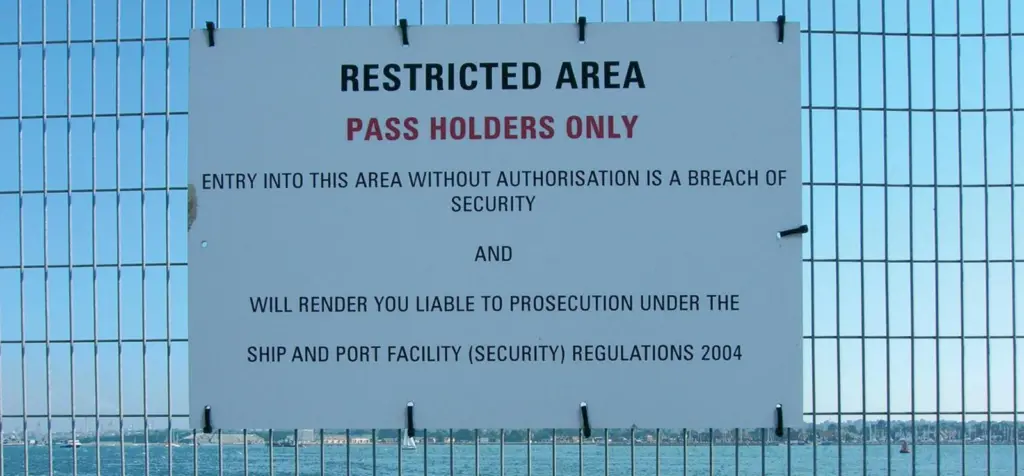
UNCTAD carried out a global government and industry survey on ISPS Code implementation, costs and related financing (available for downloading at www.unctad.org/ttl/legal). A total of 55 completed questionnaires were received from respondent ports, the majority of these being in developed countries.
Based on their answers, UNCTAD concludes that full compliance with ISPS seems to have been achieved “with no major difficulties”, but reported initial implementation costs varied hugely, from a low of $3,000 to a high of $35.5m, while reported annual costs ranged from $1,000 to $19m.
These costs are equivalent to increases in international maritime freight payments of about 1% with respect to the initial expenditure and 0.5% with respect to annual spending, says the report.
When unit costs and averages were analysed based on parameters such as ports’ annual revenues, cargo throughput and ship calls, relative costs appear
to be substantially higher for smaller ports compared with larger ports, says the report.
Spending on equipment took the largest share of initial costs, followed by infrastructure. With respect to annual costs,personnel and staff time generally represent by far the largest share of ISPS-related costs.
A number of ports have implemented or plan to implement cost recovery schemes, said UNCTAD.“Where applicable, ports seem to favour levying security charges on several types of port users, particularly cargo and containerised traffic.In general, less than
full recovery of both initial and annual costs is expected.”
The survey also revealed that some ports had received public funding and assistance. “Assistance included governmental grants and cost-sharing agreements,mainly for respondent ports located in developed regions,” says
UNCTAD. “Respondent ports in developing countries appear to have benefited mainly from technical assistance and capacity-building provided by international organisations.”
In general, the survey concludes, ports seem to have accepted the ISPS Code objectives as legitimate and reported an overall positive impression of the new security regime, especially in terms of increasing awareness, streamlining processes, standardising risk assessment and improving business practices. Those that reported some negative impacts were concerned about operational interference, cost implications and funding requirements.
Related Articles
 CONTAINER & CARGO HANDLING
 CONTAINER & CARGO HANDLING
 EQUIPMENT