![PortStrategy[GreenPort]](https://www.portstrategy.com/wp-content/uploads/2026/09/PortStrategyGreenPort.svg)





Ships for the desert
The Middle East is known for both areas of political volatility and large infrastructure projects, and both are combining to motivate one development that would be the mother of them all – a giant canal across the desert that could handle both oil tankers and freight ships.
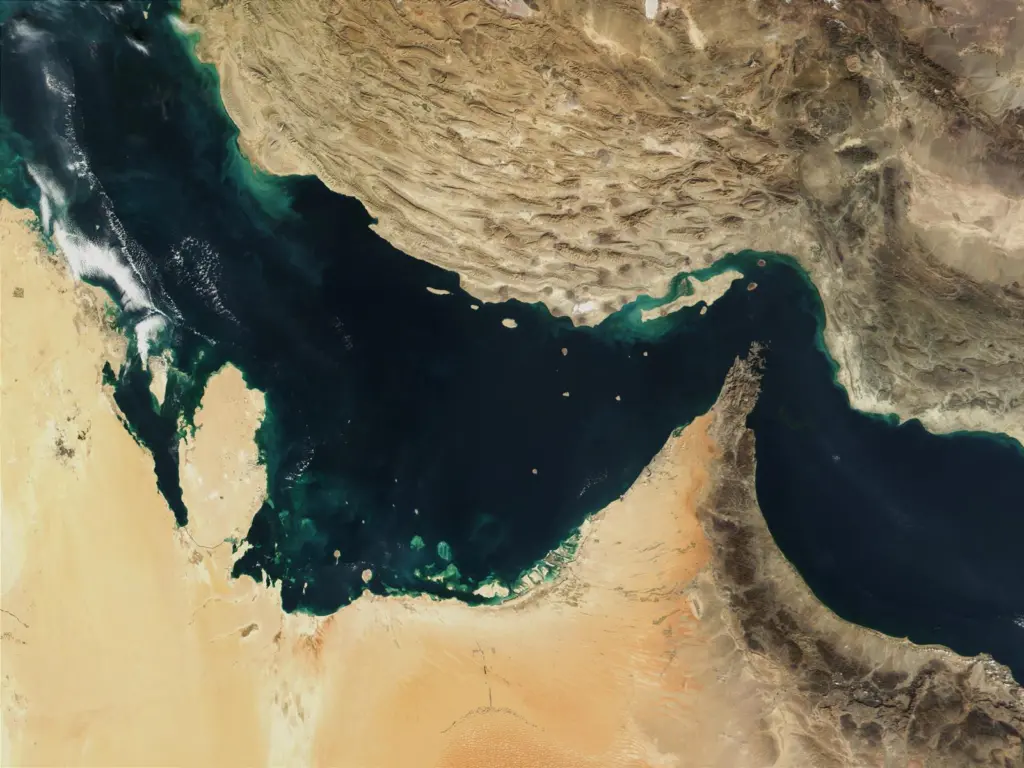
If built, the channel would rival the existing Suez and Panama canals as a major conduit for world sea-trade and crude oil shipment. But the costs of such a project, estimated to be in excess of $200bn, could be prohibitive.
However, just the fact that the plans have been looked at says a lot about how concerned the Dubai government is about the situation. It is not alone: the fuel price hike of this summer has been attributed to recent tension between Iran and the US (who have a whole armada in the Gulf area ready to counter an Iranian threat).
There are alternatives. Abu Dhabi, holder of the world’s fifth-largest oil reserves, is building a pipeline linking its oil fields with an export refinery in Fujairah, conveniently bypassing Hormuz. But this pipeline would only carry UAE oil, leaving producers such as Qatar, Kuwait, Saudi Arabia and Iraq still reliant on Hormuz. However, the most realistic alternative, according to businessman Nabil Farhat, is simply “to recognise each other’s interests, and carry on talking”.
Related Articles
 CONCESSIONS & INVESTMENTS
 TERMINAL OPERATIONS
 PORT & TERMINAL NEWS