




Too little, too late
Israel’s softly, softly approach to reformation could be its downfall. Mike Mundy reports
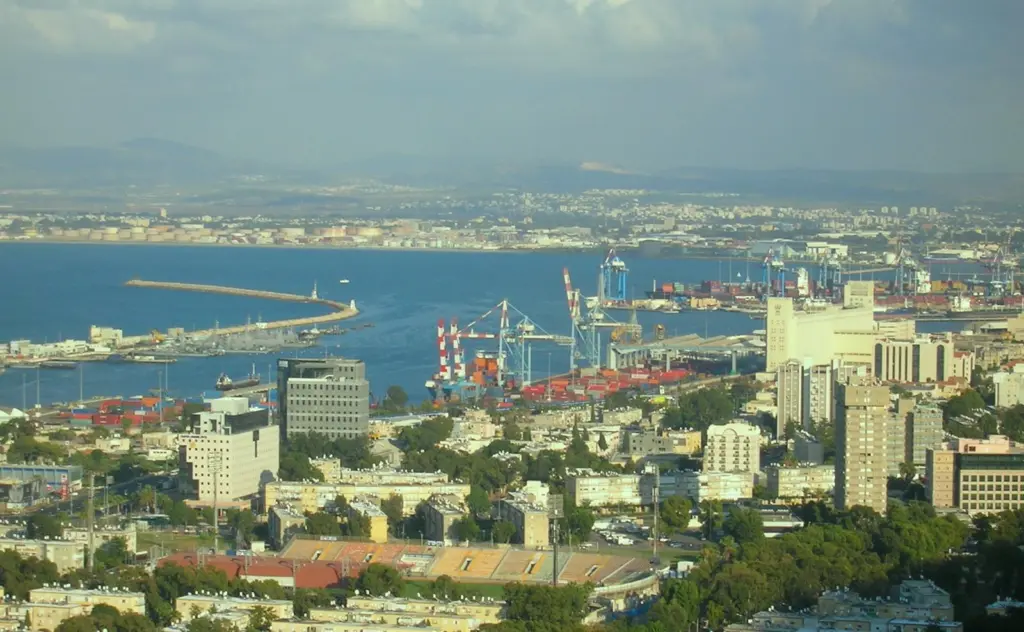
Port reform in Israel could be described as like “pushing treacle up hill.” It has long been talked about, the finer points of it have been debated immensely and in the final analysis not enough is being been done quickly enough.
This month one new element of Israel’s port reform programme, a new tariff system, clicks in but like the other major areas of Israel’s port reform programme it represents something of a half way house.
The basic change is that the new tariff system will be based on calculating charges according to the size and weight of cargo as opposed to the value of cargo. The new system, however, will be centrally administered by the Ministry of Transport rather than at a local level.
This means on the one hand that Haifa, Israel’s largest port, and the country’s other major ports of Ashdod and Eilat will have their hands tied regarding setting charges to respond to market needs at a local level and on the other it begs the question just how much will the ports be able to deviate from set tariff charges to consolidate existing and stimulate new business?
Will it be possible to offer incentives to shipping lines such as progressive discounts based on an increased number of calls over an annual period? Equally, will it be possible to waive certain charges – as happens elsewhere if it comes down to the nitty-gritty of securing new business? It is further interesting that the new tariff system does not have a huge simplification element to it in terms of the consolidation of different charges, an aspect that has been a feature of port tariff reform elsewhere.
Looked at from a liner perspective doubtless these parties would wish some or all of the above referenced elements to be a part of the tariff reform and in particular the fundamental aspect of being able to set port charges at a local level.
Looking forward to other key elements of the port reform programme, it can also be seen that there is also not a lot here to satisfy the requirements of shipowners. A major issue is that there are no plans to offer the country’s container terminals for concession, a strategy that has been proven to enhance the efficiency and competitiveness of terminal operation. Container terminal operation will remain firmly in the hands of the port administration, a system that most other ports have migrated away from worldwide.
Undoubtedly, strong port union pressure is a factor here but as experience shows if you want to implement real reforms then this is something that has to be faced up to as part of the process of “managing the change.”
What is on the agenda is a phased sell off of equity in the port companies: 15% this year; another 34% at least a year later with the government retaining its remaining 51% until 2020. This does represent the hand of government withdrawing from port activity but unfortunately with this process not extending to front line cargo handling then only limited benefits can be expected to follow.
Further, it keeps in place a major obligation on the part of government to fund new terminal development in the way that it is doing so for Haifa’s new Carmel Terminal which when it opens for business next year will raise annual container handling capacity to 2.5m teu as well as provide the capability of being able to accept larger capacity vessels of up to 8,000 teu.
The flaws in Israel’s port reform programme appear to have been recognised by the country’s private sector with two schemes on the drawing board to eat into Haifa’s high earning container traffic. One is a former shipyard that is looking at handling container vessels and the other a new port scheme being backed by a private developer.
Overall, it is interesting to speculate whether Israel’s slow approach to port reform will result in similar situations to those that occurred in the UK and Italy whereby it facilitated the growth of new private sector ports that eventually forced their way into commanding roles – notably Felixstowe and La Spezia. It is a positive that reforms have commenced but it does appear too little too late?
Related Articles
 PORT & TERMINAL NEWS
 PORT & TERMINAL NEWS
 PORT & TERMINAL NEWS