![PortStrategy[GreenPort]](https://www.portstrategy.com/wp-content/uploads/2026/09/PortStrategyGreenPort.svg)



Tripoli in Iraqi car boom
Lebanon’ s second port of Tripoli reports a boom in vehicle imports thanks to resumed trade with Iraq. Over the past year new vehicle imports have averaged 7,000 a month, an increase of 700%, with more than two million vehicles expected to use the port over the next two years.
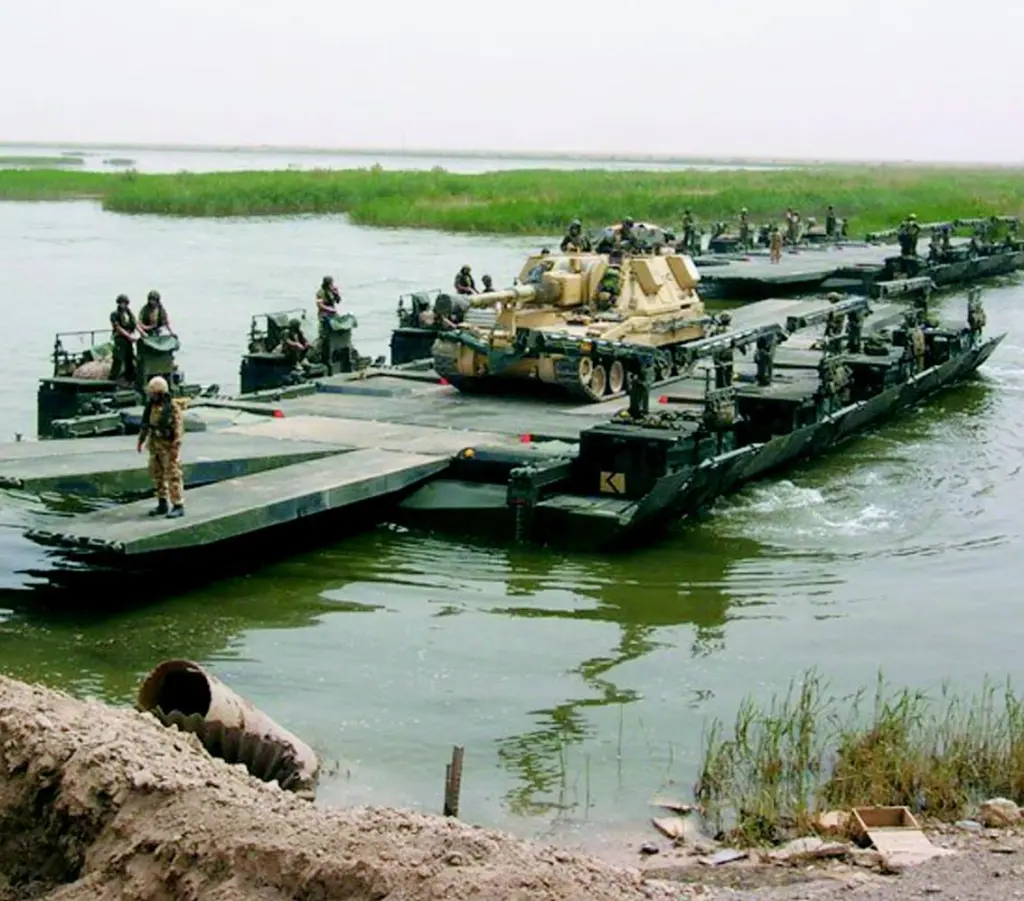
However, it may be a short lived phenomenon since Iraq’s main import/export port of Umm Qasr is undergoing refurbishment and is expected to claw back most of this traffic when capable of resuming vehicle imports.
At present, Iraqi car imports enter the country mainly through Tartous or via Aqaba, both closer to Baghdad than is Tripoli. Also transport costs of $100 per car are half those charged via Tripoli while forwarders complain that port charges of $50 are $30 more than those officially published by the port authority. And the $90 vehicle release fee is uncompetitive compared to Tartous which charges a flat all-in fee of $50 per vehicle.
Nevertheless, lack of congestion at Tripoli, and better equipment, allows it to stay in the business.
Tripoli is investing heavily in modernising its facilities in the face of rising traffic with Iraq.
Modernisation started five years ago as the port became a major gateway in the UN’s Oil for Food programme for Iraq.
Prior to that, trade embargoes had effectively cut all trade with Iraq for a decade.
In the last three years the draught has been deepened from 7 to 11 metres, with exceptional areas offering 13 mmetres. The existing breakwater has been repaired, whilst an entirely new one is being put in place thanks to a soft loan from the European Investment Bank. The contract for the work, which will take 2_ years to complete, was placed with Jan de Nul in October 2003, and is being taken forward in partnership with Lebanon’s Hydromar at a cost of $25m.
A new dock offering a 750 metre berthing line and up to two metres of additional draught clearance is planned to complement the port’s existing single quay. A further reclamation project will also expand the amount of infilled area from 350,000 sq m to one million, where a new free zone may also be located at a cost of a further $25m.
Related Articles
 CONCESSIONS & INVESTMENTS
 TERMINAL OPERATIONS
 PORT & TERMINAL NEWS