




Californian strikes at an end
The eight day strike at the Port of Los Angeles (POLA) and the Port of Long Beach (POLB) has come to an end after the International Longshore and Warehouse Union (ILWU) Local 63 Office Clerical Unit and the Harbour Employers Association reached an agreement this week.
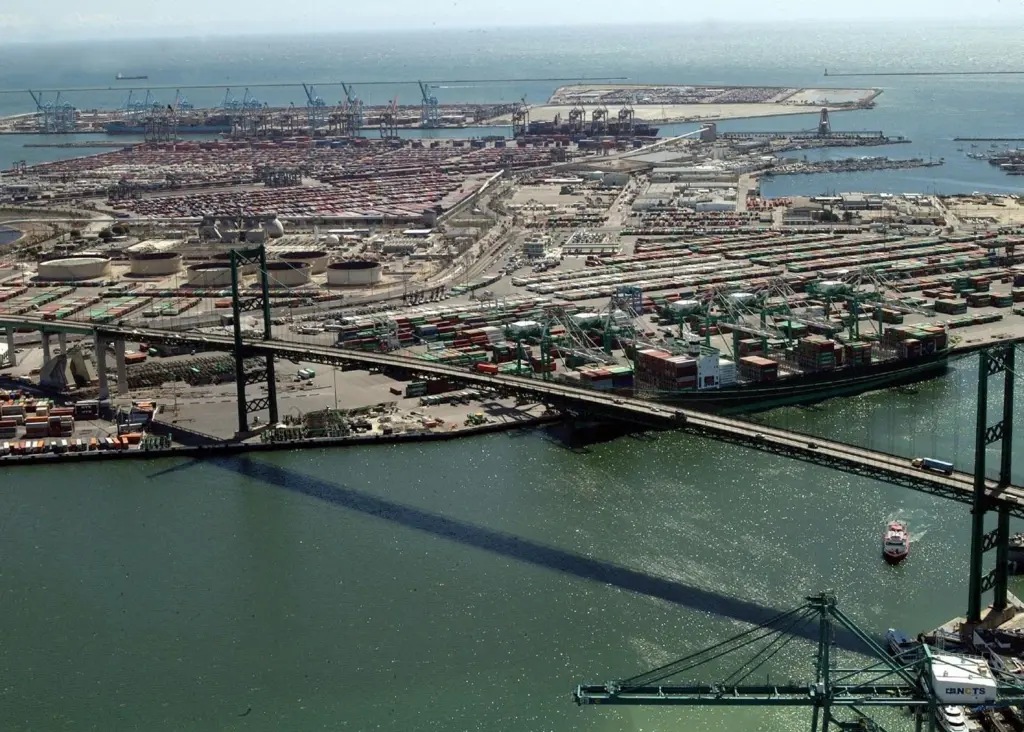
The two sides have been negotiating over future staffing levels and union representation for jobs lost to retirement for more than two years, resulting in this strike which closed seven of eight container terminals at the POLA and three of six at the POLB.
After agreeing to federal mediation on Tuesday, a tentative agreement has been reached and all terminals at both ports are now fully operational.
Spokesperson for the Harbor Employers Association, Steve Gutzug, told Port Strategy: “Generally, the agreement reached involved compromise on both sides – but the employers’ interests in obtaining future hiring flexibility is represented, as is our ability to continue to implement technology that improves customer service. In the agreement, clerks receive absolute job guarantees, pay and benefits boosts and further commitment from employers that work within the jurisdiction of the OCU remains with them.”
He added: “In the end, the agreement, which must be ratified by rank-and-file in coming weeks, should help ensure that the twin ports continue to be an important cargo destination but it will take a few days to unwind the backlog.”
According to the Maritime Exchange of Southern California, the strike prompted at least 18 freighters to re-route to ports in Northern California, Mexico and Panama, resulting in an estimated environmental impact of more than $1bn damage a day, including lost wages.
Ports assess fees on cargo containers that linger on its terminals beyond a certain grace period. POLB has announced it will waive its portion of cargo fees incurred by the forced closures.
Related Articles
 PORT & TERMINAL NEWS
 PORT & TERMINAL NEWS
 OPERATIONS