![PortStrategy[GreenPort]](https://www.portstrategy.com/wp-content/uploads/2026/09/PortStrategyGreenPort.svg)




Coronavirus hits California ports
Two Californian ports have reported continued disruption to the supply chain as coronavirus (COVID-19) takes its toll on port and shipping operations.
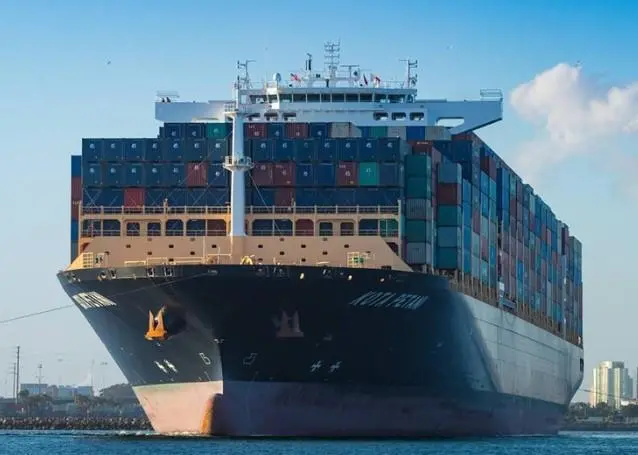
The Port of Los Angeles said it moved just 544,037 TEUs in February, a 22.9% decrease compared to February 2019, while the Port of Long Beach said it moved 538,428 TEUs, down 9.8% compared to February 2019.
Port of Los Angeles executive director Gene Seroka said on 10 March: “it’s no surprise that Trans-Pacific maritime trade has been significantly impacted”.
He added: “As factory production in China remains at low levels, we expect soft volumes in March. Looking ahead to anticipated manufacturing improvements, we will need to return empty containers to Asia and push lingering U.S. export boxes out swiftly.”
Speaking on the same day, Mario Cordero, executive director of the Port of Long Beach acknowledged the “lingering effects” of the US-China trade war and the Chinese New Year impact on shipping, in addition to coronavirus.
He said: “With the extended factory closures and slowdown of goods movement in China and other Asian countries in February due to Lunar New Year and COVID-19, we are seeing shipping lines needing to cancel some sailings.”
Meanwhile, the Port Authority of New York and New Jersey announced on 9 March that Rick Cotton, executive director, has tested positive for the virus, but is maintaining a full schedule while quarantined.
Ports across the world have put in place precautionary measures to detect and contain the virus, to enable operations and staff to continue operations as normally as possible.
On 28 February, the AAPA issued a statement that said: “The overall economic impact of this type of crisis can easily run into the tens of billions of dollars. Due to the coronavirus outbreak, cargo volumes at many U.S. ports during the first quarter of 2020 may be down by 20 percent or more compared to 2019.”

Related Articles
 EXPANSION & DEVELOPMENT
 EXPANSION & DEVELOPMENT
 PORT & TERMINAL NEWS