




Iranian hackers charged over US port attack
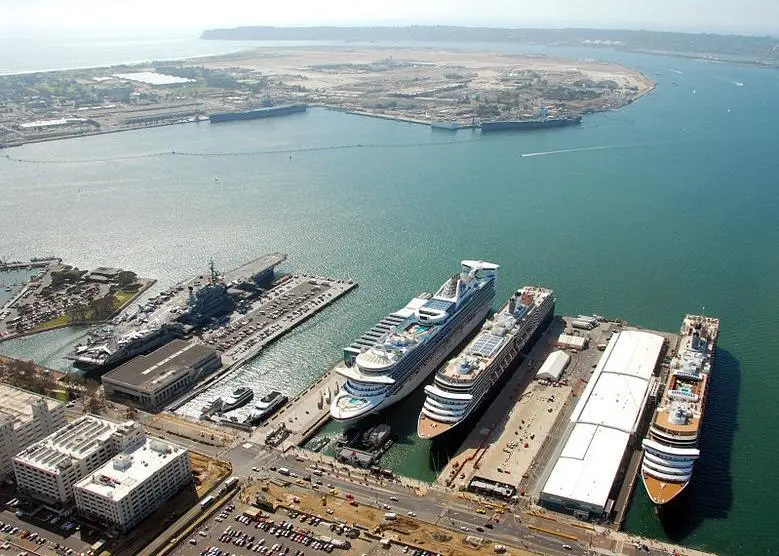
Two Iranian hackers are behind an international hacking and extortion scheme which hit the Port of San Diego in September, according to The United States Department of Justice.
Faramarz Shahi Savandi and Mohammad Mehdi Shah Mansouri have been charged over a 34-month-long scheme involving the deployment of sophisticated ransomware that affected multiple organisations and saw organisations lose US$30m.
“The Iranian defendants allegedly used hacking and malware to cause more than $30 million in losses to more than 200 victims,” said Deputy Attorney General Rosenstein.
Serious impact
IT systems were disrupted at the Port of San Diego following the cyber-attack on 25 September, which resulted in limited functionality impacting public services relating to park permits, public records requests, and business services.
The six-count indictment alleges that Mr Savandi and Mr Mansouri, acting from inside Iran, authored malware, known as “SamSam Ransomware,” capable of forcibly encrypting data on the computers of victims.
According to the indictment, Savandi and Mansouri would extort victim entities by demanding a ransom paid in the virtual currency Bitcoin in exchange for decryption keys for the encrypted data, collecting ransom payments from victim entities that paid the ransom, and exchanging the Bitcoin proceeds into Iranian rial using Iran-based Bitcoin exchangers.
US$6m in ransom
The indictment alleges that Mr Savandi and Mr Mansouri have collected over US$6m in ransom payments to date.
Following the attack on the Port of San Diego, its CEO Randa Coniglio confirmed it involved ransomware and a ransom note demanding an undisclosed amount to be paid in Bitcoin.
In addition to the Port of San Diego, affected organisations include the City of Atlanta, Georgia; the City of Newark, New Jersey; the Colorado Department of Transportation; the University of Calgary in Calgary, Alberta, Canada; and six health care-related entities.
Related Articles
 PORT & TERMINAL NEWS
 PORT & TERMINAL NEWS
 OPERATIONS