![PortStrategy[GreenPort]](https://www.portstrategy.com/wp-content/uploads/2026/09/PortStrategyGreenPort.svg)






JLL highlights trends facing NA ports
Jones Lang LaSalle (JLL) has identified five top trends to watch out for at North American ports in its Ports Airports and Global Infrastructure (PAGI) 2017 Seaport report.
The five trends are: Gulf Coast markets benefitting from an upswing in petrochemical investment; mergers and alliances; bigger ships; autonomous trucking; and the need for rail infrastructure to operate efficiently, thus ensuring that profitability numbers remain high.
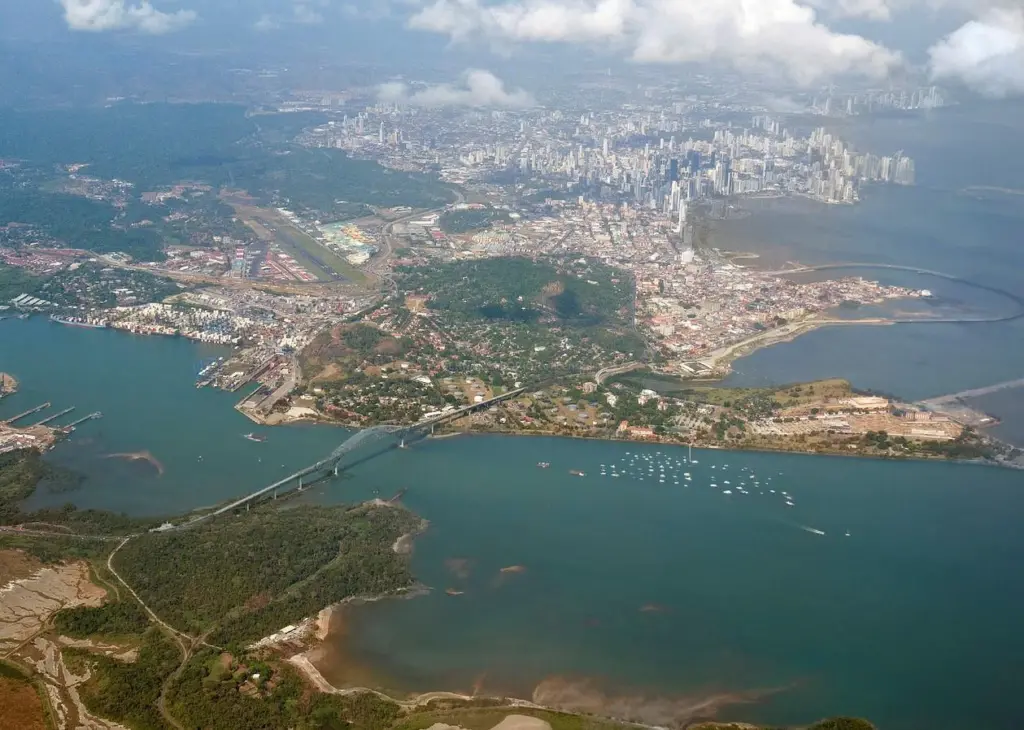
The first trend identified by JLL is the increase in port volumes and industrial property demand along the Gulf Coast due to a rise in the refining and processing of oil and gas into different products. The organisation forecasted that Gulf Coast markets in the downstream sector will be the winners at least in the short-term and that Gulf Coast ports will benefit more from the Panama Canal than East Coast ones — something that will be to the detriment of West Coast ports.
The second trend is the number of new mergers, acquisitions and bankruptcies in the shipping industry in the past year, on top of the reduction of leading industry alliances from four to three.
While short-term consequences may include uncertainty and service disruption, the mergers may make for a broader range of services offered by shipping companies in the long run.
The third trend sees ocean carriers opting for fewer vessels on the water by progressing towards larger ships for their freight. With the expanded Panama Canal in mind, ocean carriers have begun using larger ships across all cargo types, and US ports have adapted to be able to accommodate the new vessels. However, most US ports only became able to accommodate these new types of ships earlier this year. Liners will likely reduce the number of port calls in the future, JLL said.
The fourth trend is the trucking industry’s move towards cargo movement and tracking technology, with the deployment of autonomous trucks causing transformation in the trucking field.
The final trend sees the rail industry growing as shippers look to rail to carry large amounts of cargo fast. To meet the increase in demand, US ports are investing in improving their rail infrastructure. For example, the Port of Baltimore wants to raise the Howard Street Tunnel to allow access for double-stacked trains.
Related Articles
 EXPANSION & DEVELOPMENT
 EXPANSION & DEVELOPMENT
 PORT & TERMINAL NEWS