![PortStrategy[GreenPort]](https://www.portstrategy.com/wp-content/uploads/2026/09/PortStrategyGreenPort.svg)





Manta side 2
With problems of draught inhibiting the development of ports all down the West Coast of South America, Ecuadors Manta looks like being a tonic.
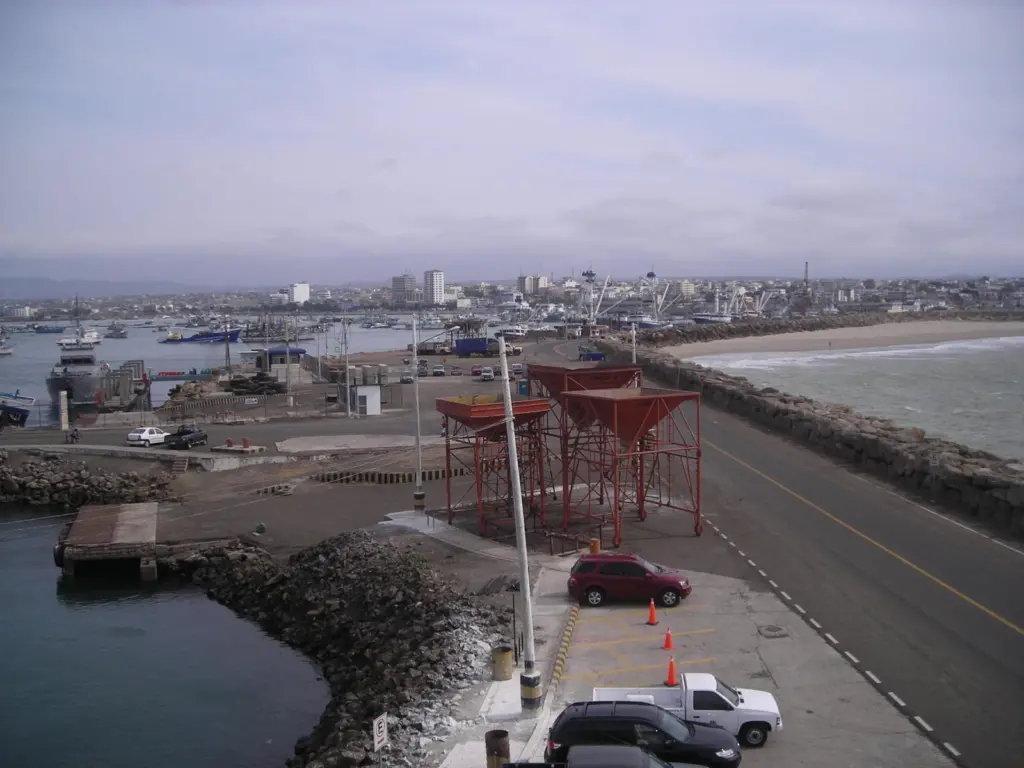
Manta’s double-first claim to being South America’s de facto Pacific hub is geography and geology. It is, as the port operator points out, the closest natural deepwater port to Asia at just 25 nautical miles from the north-south international trade route, making it first landfall for large ships. And at 600 nautical miles from the Panama Canal, it is also close to some major facilities.
It seems almost churlish to point out that Posorja isn’t that much further away. But that doesn’t stop Posorja’s general manager Carl Jensen doing just that, although he does concede that the port may have a problem with draught.
The ‘which port’ debate is kept running by the issue of onward movment of cargo.
Manta is three hours by land from Ecuador’s commercial centre of Guayaquil, which also has a problem with draught. The road between the two is poor quality for half of the journey. The plan is for a new four lane highway to be completed in a year, making the road connection between the two much easier.
Ecuador has no significant railway network and given the prohibitive cost of installing one, it is likely to remain that way. Keen to acclerate economic development, the government is talking about designating the city a continental airhub, but some are sceptical: “I don’t know how the government will make an international airport in Manta; you can only have one runway” says Nicolas Romero, manager of Guayaquil Airport Authority.
Johnny J Medranda, Manta’s commercial manager, and his team argue the case for a deepwater facility at Manta which will allow large ships to call and help to create economies of scale as a catalyst to broader economic development both within Ecuador and throughout the entire region. “At the end of the day what matters is who has the draught, the investment, and who can lastingly serve the national and regional markets and we are in a position to do all of them,” says Mr Medranda.
In all this, though, there is one potential problem looming large and close: the potential crisis of investment or more likely the lack of it. There is a real possibliity that no-one will be prepared to invest in the country irrespective of the quality, location of status of its facilities.
The end of the day that Mr Medranda refers to might still be a very long way off.
Related Articles
 EXPANSION & DEVELOPMENT
 EXPANSION & DEVELOPMENT
 PORT & TERMINAL NEWS