




New Appropriation Act supports US ports
The recently introduced US$1.1 trillion Consolidated Appropriation Act of 2014 will support US seaport infrastructure and enhance US international competitiveness, says the American Association of Port Authorities (AAPA).
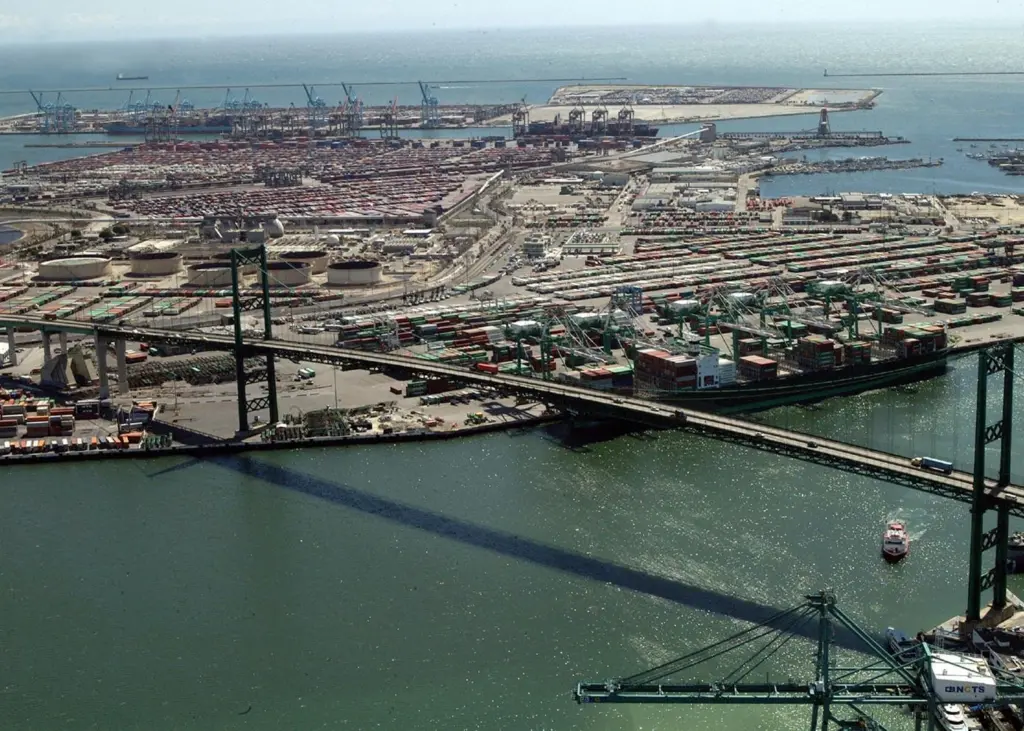
The new bill includes a 20% increase in funding for US DOT’s Transportation Infrastructure Generating Economic Recovery (TIGER) discretionary grants and US Corps of Engineers’ navigation-related programmes. It also covers FEMA State and Local Programmes grants that include dedicated funds for port security, EPA’s Diesel Emissions Reduction Act (DERA) grants, and funding for several of NOAA’s sub-programmes that aid navigation.
A spokesperson for the Port of Long Beach (POLB), told Port Strategy: “Like the AAPA, we are pleased that Congress understands the need to continue to fund critical transportation, environmental, civil works and security programmes that will allow US ports to stay competitive.”
“Depending on our project readiness and needs, we likely would apply to programmes like TIGER and DERA for funding, as we have in the past,” the spokesperson added.
POLB secured US$17m TIGER grant funding for the Green Port Gateway rail improvement project now under construction to improve the efficiency of rail traffic. The port has also received four DERA grants in the past for US$8.3m for projects to reduce air pollutants from harbour craft and terminal equipment.
While the increased funding is seen as a vital step forward in keeping US ports competitive, the POLB told PS “that would need to be evaluated on a long-term basis”, but “it’s clear that the federal government understands the need to reinvest in infrastructure that facilitates trade”.
The AAPA says it will continue to support the use of Harbour Maintenance Tax collection, which netted around US$1.8bn last year, as well as more equity for donors, and hopes that the new bill will allow for the “full use” of those revenues.
Related Articles
 PORT & TERMINAL NEWS
 PORT & TERMINAL NEWS
 OPERATIONS