




US-China trade war triggers imports rush
The US-China trade war has prompted an “off the charts” imports rush at the Port of Los Angeles — the US’ busiest port — and a run on already-sparse warehouse space availability near the Los Angeles and Long Beach port complex.
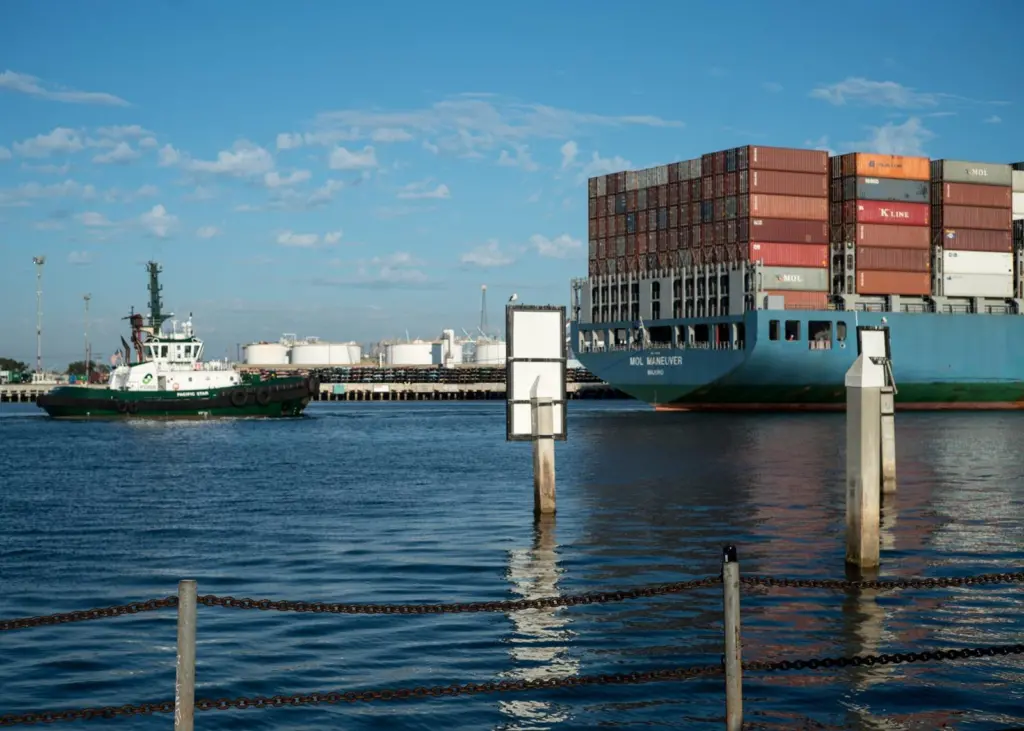
According to CNBC, executives have said that uncertainty surrounding the trade war and looming taxes proposed on a range of imported consumer products made anxious importers put shipments into Los Angeles’ port that would normally arrive later in the year into July.
The port reported the “busiest July in its history” concerning total monthly volumes: teu volumes for last month exceeded July last year by 4.6%.
July imports went up 5% in comparison with a year previously.
However, CNBC said that the rush on Los Angeles port complex has added to demand for Southern Californian warehouse space for storage of some of the consumer products.
National Retail Federation vice president of supply chain and customs policy Jonathan Gold said: “Warehouse space is starting to dry up.”
Port executive director Gene Seroka said that in real time, the port has observed that many inventories are beginning to be moved forward.
“Our July numbers were off the charts. The cargo is flying at us now,” he added.
Yet, he noted that those in Southern California — the Los Angeles and Long Beach port complex’s region — currently have less than 1% of their around-1.8bn sq ft of warehousing available.
Retail reach
CNBC reported that the escalating US-China dispute is leading US retailers to accelerate importing Chinese items in order to make sure that they have enough supplies for the winter holidays and to avoid new levies.
According to Mr Gold, retailers are spending “a lot of money to push up the delivery dates for … products and find space on vessels to get here in time, or to find air space, or to find the warehouse space”.
He added that US President Donald Trump has threatened placing tariffs “on pretty much everything coming out of China” and that retailers “are looking at their supply chains and trying to plan appropriately”.
Mr Seroka estimated that at least 20% of boxes moving through the Los Angeles and Long Beach port complex — which handles around 40% of the US’ containerised import trade with China — could be impacted by tariffs.
In August, the Port of Long Beach claimed it is on track to have “its busiest year ever”, though it indicated that July volumes were down 4% because of a decision by container shipping alliances “to shift vessel deployment and port calls”.
Related Articles
 PORT & TERMINAL NEWS
 PORT & TERMINAL NEWS
 OPERATIONS