



North American ports capex or capsize?
North American ports which don’t invest to upgrade their facilities ready for the upcoming Panama Canal expansion in 2015 “risk capsizing their economies”, says K C Conway, author of Colliers International’s third North American Port Analysis’ report.
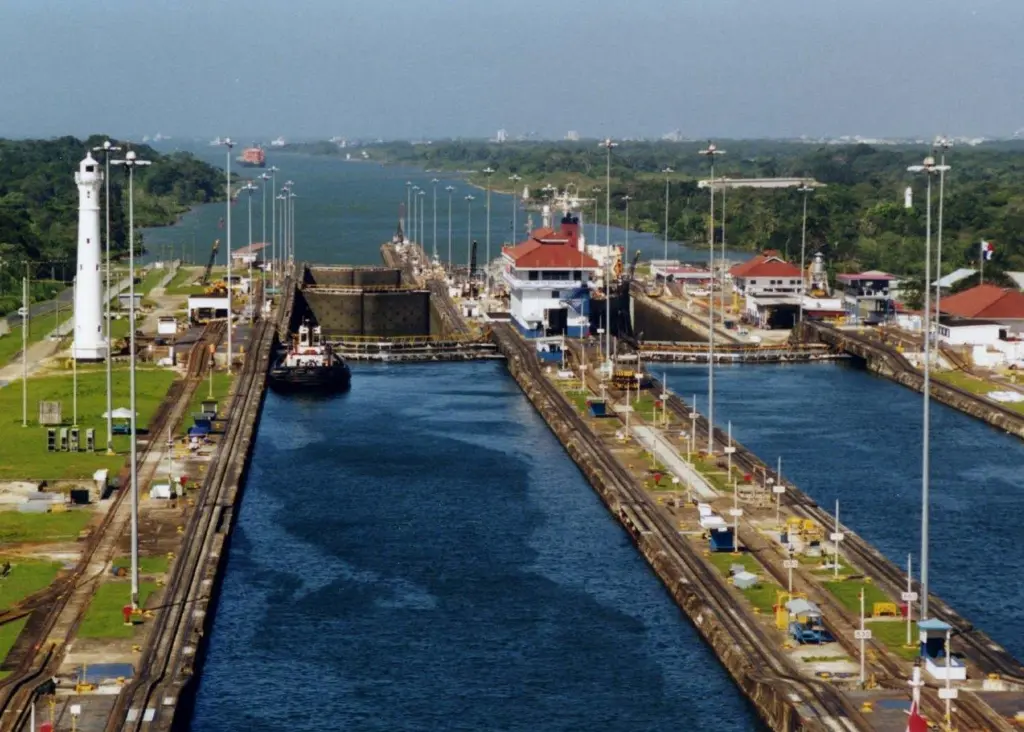
The report, CapEX or Capsize, looks at changing trade patterns and evolving e-commerce as a result of the expansion. Mr Conway reveals that America needs US$3 trillion in funding for infrastructure by 2020 if it is to remain competitive post-Panama expansion.
The report’s key findings include America’s poor infrastructure, which it states is only as healthy as its weakest link: inland waterways, roads and airports.
It also revealed how the use of rail will increase as new hours-worked rules, along with environmental and traffic congestion challenges, impact on the trucking industry, thereby shifting container cargo from trucking to rail.
According to the report, Latin America is the next big growth opportunity. The balance of influence in trade is shifting from Asia to Latin America, and from West Coast to Gulf/East Coast ports. At the same time, expanding US trade with Latin America, Russia and India, offsets the impact of the global economic downturn, as well as China’s slowing GDP.
Mr Conway reveals the top five North American ports, in terms of spending at least US$100m in 2013, as: Los Angeles and Long Beach; New York; Houston; Charleston; and Savannah, Georgia.
Meanwhile, he states that ports like Philadelphia, Tampa, New Orleans and Port Everglades will not be ready for the first post-Panamax decade before 2015.
The report also looks at emerging inland port and intermodal facilities, how air cargo facilities are vital to e-commerce, the emergence of the Great Lakes as a leader in bulk cargo trade and the diminishing importance of inland waterways.
For more information visit www.colliers.com/us/port-1h2013
Related Articles
 SOUTH AMERICA
 PORT & TERMINAL NEWS
 PORT & TERMINAL NEWS