




Face up to the stark reality
COMMENT: I have come to the conclusion that economies of scale and the continuous upsizing of ships is leading the way to disaster, writes Ben Hackett.
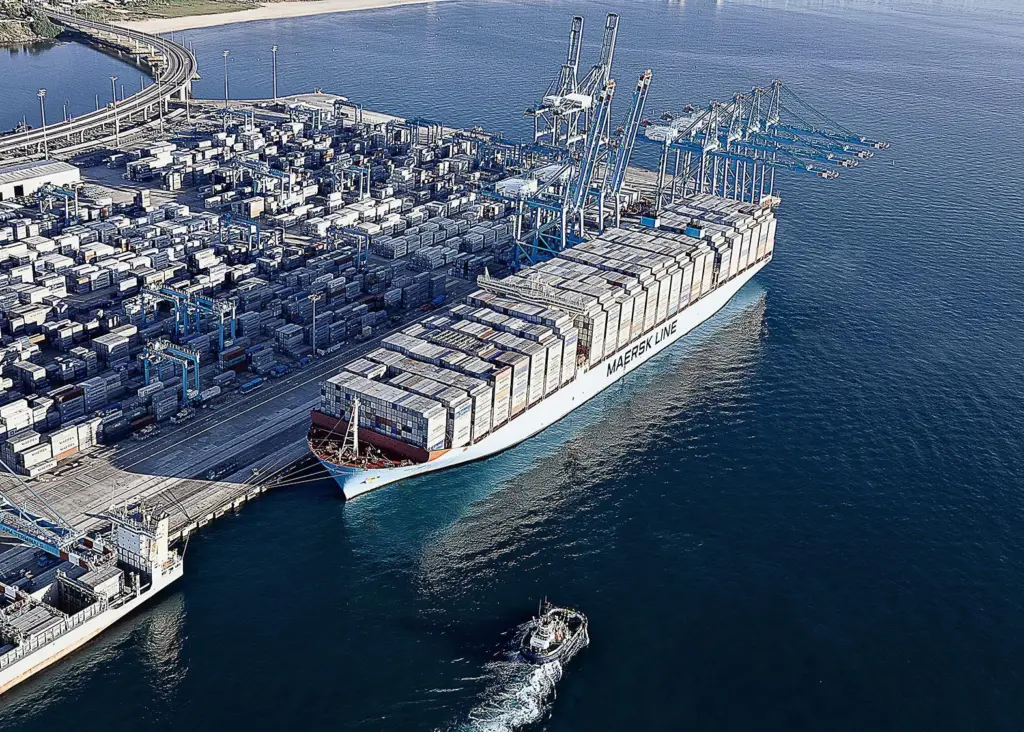
The fragmented container liner companies cannot deal with the situation that they have created and there are far too many players in the field, even with the disappearance of NOL, Hanjin and the amalgamation of Cosco and China Shipping. There are still many companies with a 2%-3% global market share that cannot sustain their survival if they are not owned by families or governments.
Big ships were ordered to reduce the voyage cost of a container. It started with 10,000 teu ships, which rose to 15,000 teu, then to the 18,250 teu Triple-E, followed by a number of ships in the 19,000-20,000 teu range.
The idea was that by reducing the operating cost it was possible to survive lower freight rates, but then came the problem of how to fill the ships. Maersk is guilty of leading the industry to ever-larger ships.
It was clear that filling the ships by having a market share strategy of dropping rates did not work in a highly competitive industry. New alliances came together to share both the cost of competing with Maersk as well as to be able to afford to buy ships above 15,000 teu.
The net result was the attempt by three major competitors – Maersk, CMA CGM and MSC – to join together in order to manage their capacity. That attempt was quashed, but now we have Maersk and MSC joined at the hip. Is this really right in a competitive world, or are we seeing signs of cartel-like behaviour?
Perhaps we need to have a serious look at the whole concept of alliances. Only one other industry behaves like this: airlines. In all other businesses, you either compete or you exit the business.
Is the solution to ban alliances and let competition do its work? Yes, as long as subsidies are not in play. If the fragmented liner industry that is held together by alliances can finally be consolidated into fewer players we might well see better financial results. Let the companies find the solution to survival on their own without relying on other companies to prop them up.
Too radical a thought?
Related Articles
 INSIGHT & OPINION
 INSIGHT & OPINION
 INSIGHT & OPINION