![PortStrategy[GreenPort]](https://www.portstrategy.com/wp-content/uploads/2026/09/PortStrategyGreenPort.svg)






Sea of change or storm in a teacup?
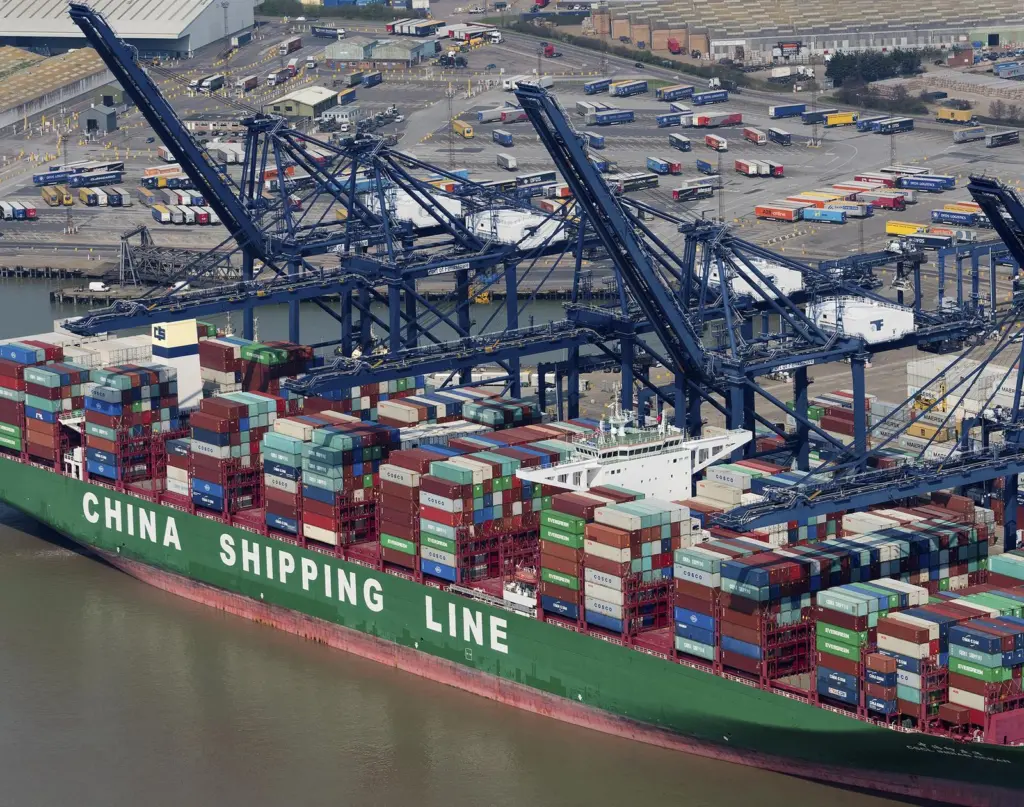
COMMENT: Shipping companies and ports are currently in somewhat of a quandary; they face criticism that ships are too large or too small, that alliances are harmful to customers and service providers such as ports, that they sail too slow or too fast and that they arrive too late or too early in ports, writes Ben Hackett
The list goes on, but the question is: who is right and who benefits from the oxymorons implicit in the criticism?
Currently shippers, forwarders and the Organisation for Economic Co-operation and Development are fighting the extension of exemptions given to alliances by the EU Directorate of Competition. The argument is that alliances provide poorer services due to slower steaming and network port call rationalisation and that this leads to higher prices. Hello? Has anyone seen the freight rates on the main shipping routes or the financial returns of many shipping lines?
Do we really want to abandon large ships, be they crude carriers, bulk carriers or containerships, in favour of smaller, less-economic ships working outside of alliances with too many calls at ports? Where is the efficiency in that? Where does improvement in service levels come from if shipping companies are told to reduce speed to avoid further climatic changes while at the same time being told that ship service speeds are too slow, and how do ports manage with a rapid increase in the number of ships calling and the need for a mass of contracts and increased efforts by all to carve out cost savings?
All this in a period where there is pressure to shift to liquefied natural gas fuel as part of the legislation for cleaner emissions from 2020 onwards. It seems to me that these seas of change are indeed creating operational issues for the industry. Ports need more quay length for the bigger ships and even more if the push to end alliance exemptions were to come about, which would reduce ship sizes were it to succeed.
The knock-on effects of any changes could be far-reaching and all possible results must be considered before a decision is reached on reversing the EU liner exemption.

Related Articles
 INSIGHT & OPINION
 INSIGHT & OPINION
 INSIGHT & OPINION