




Souring trade prospects dent port optimism
COMMENT: As the stock market continues on its rollercoaster ride, the global trade situation is looking increasingly precarious, writes Ben Hackett.
Trade wars, rising trade barriers and inward-looking policies responding to populist tendencies around the world all point towards rising challenges for the shipping industry in general and for the port industry in particular.
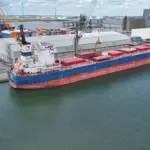
Liquid and dry bulk shipping is weak as it enters 2019 and the container sector is faring little better; optimism has evaporated in the face of faltering demand. In Asia, export growth is declining and forward-looking indicators such as the Purchasing Managers’ Index are down to levels that suggest further export growth will not be forthcoming.
Fleet growth remains a problem for both dry bulk and container shipping. New capacity continues to outpace demand which will hit financial returns hard in 2019. What is interesting, however, is that a number of major banks involved in ship financing have a rosy outlook for the year — maybe they are taking a long-term view.
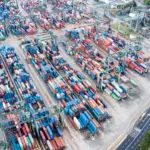
At the port level there is excess capacity in Asia and Europe. As China’s imports and exports weaken, this will further impact on ports and terminals. We can expect greater efforts to maintain, and also to gain, market shares which will benefit shipping lines as they are tempted with discounts on port fees and handling charges.
Perhaps Brexit — the UK’s exit from the European Union — might provide some relief to ports and the ro-ro shipping sectors as the panic, real or imagined, of shortages is creating new port-to-port services and potentially bringing new players into the fray.
Back on a global scale, there is a silver lining as much of the potential trade downturn may be restricted to lower levels of growth rather than absolute declines in volumes. But no doubt many port planners and strategists are looking at their investment plans for the coming two years and thinking about delaying expansion plans and new projects. Even Singapore is beginning to have some doubt about the potential to fully expand its Tuas port to the maximum 60m teu as regional competition heats up, particularly in Indonesia. Definitely, things could be better.
Want to be the first to read more of Port Strategy’s unique insight? Sign up here to get your copy of the Jan/Feb 2019 copy.
Related Articles
 INSIGHT & OPINION
 INSIGHT & OPINION
 INSIGHT & OPINION