

Call for creative and connected thinking
COMMENT: Ports have a tangible impact on economic vibrancy, or lack thereof. If there are any doubts about this, consider the cold water thrown upon us by the recent reports coming out of the Federal Reserve Bank of New York, saying that US economic growth suffered to the tune of 0.2% GDP, based on the difficulties at the West Coast ports, writes Barry Parker.
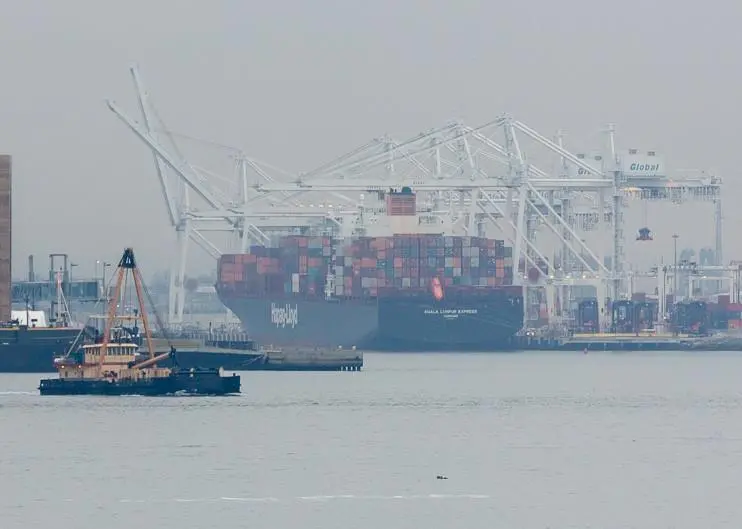
Though, happily, ports on the East Coast benefited from the misfortunes out west, there’s still a great deal of clamour (with various interests bemoaning this or complaining about that), rather than an action plan. It’s nice to have incremental business fall into our collective laps – albeit without real plans in place to handle the ‘surge’ – but maybe there’s a better way to think about the future.
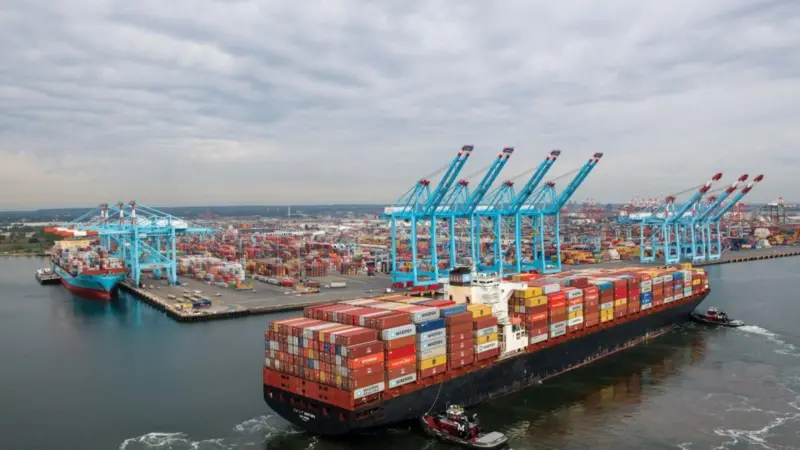
Noting the reins will be turned over to a new driver at the Port of New York and New Jersey’s Port Commerce Department, I’ve been reading with interest about developments farther afield. Where port business and geo-politics are linked, I take notice. I’ve found some inspiration – and maybe our port officials will too – in developments linking Antwerp in northern Europe to The Silk Road, stretching to China by way of infrastructure across a swath of central Asia with strategic partnerships along the way.
Closer to home, our neighbours to the North, in Quebec, have announced a large infrastructure plan with a significant maritime component that was been upsized from the $7bn originally contemplated to $9bn.
A different strand of geopolitics concerns energy security and energy trade; the US Department of Energy issued a new report, The Quadrennial Energy Review (QER), which includes innovative methods of funding the energy infrastructure.
Port executives are familiar with public-private partnerships, but given the critical economic role that ports play and the international implications of port activity, it may be time for a fresh look and for new approaches to PPP. These could include partnerships with foreign regions, but also deals with specific companies who are try to bring reliability and cost effectiveness to their supply chains.
Obviously, we can’t move the Silk Road over to North America, but creative thinking on the subject of who benefits from activity at our ports – both in New York, and up and down the Coast – may yield some fresh ideas on solving intractable funding problems for vital infrastructure. Our economic future depends on this type of creativity.
Related Articles
 INSIGHT & OPINION
 INSIGHT & OPINION
 INSIGHT & OPINION