
Australia''s New South Wales government is standing by the development of Port Botany in response to the Public Works Committee’s (PWC) inquiry into the impact of Port of Newcastle sale arrangements on public works expenditure in New South Wales.
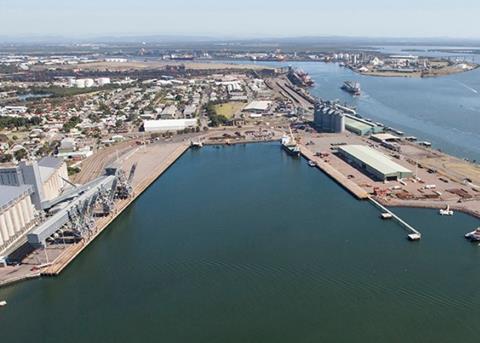
PWC's inquiry into the Port of Newcastle sale arrangements found the “Port Commitment Deeds including the conditions of sale and the levy were not disclosed to the public or the Parliament” and should be investigated further. Published in February, the inquiry's report recommended that the NSW Government conduct a review of the state's ports policy, including the potential for a container terminal at the Port of Newcastle. However, the Honourable Andrew Constance MP, NSW Minister for Transport and Roads, said investment in Port Botany makes economic sense and there is “no case for a change in policy at the current time”.
Botany is priority
“The Government’s ports policy for meeting the States future container trade needs is to realise the full capacity of Port Botany before investing in another port, to maximise benefits to users and taxpayers,” said Mr Constance in the NSW government’s response to the inquiry.
The NSW government also rejected the inquiry’s recommendation that it investigate rail freight options between the ports of Botany, Newcastle and Kembla.
“We do not believe there is a case for conducting additional detailed investigations of rail freight options between Ports Botany, Kembla and Newcastle at this time,” said Mr Constance.
He explained the government has already investigated and committed to strategic rail freight priorities, outlined in the NSW Freight and Ports Plan (FPP). He stated the government “has a target to increase the share of rail freight at Port Botany to 28 per cent by 2020”.
In February, a KPMG report found that container investment at the Port of Newcastle is the worst choice for the Australian state with the highest costs and lowest benefit.