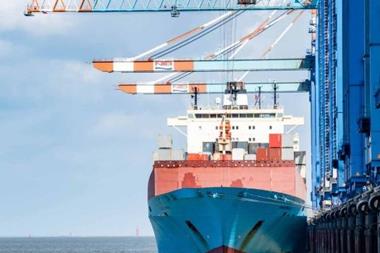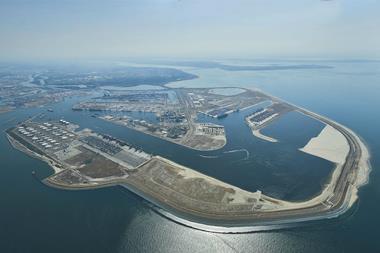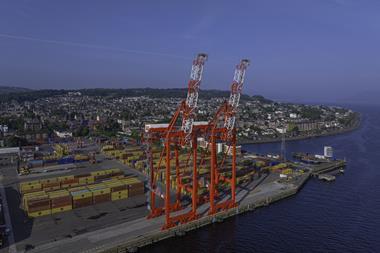


German logistics company Hamburger Hafen und Logistik AG (HHLA) has established its own intermodal company in Ukraine.
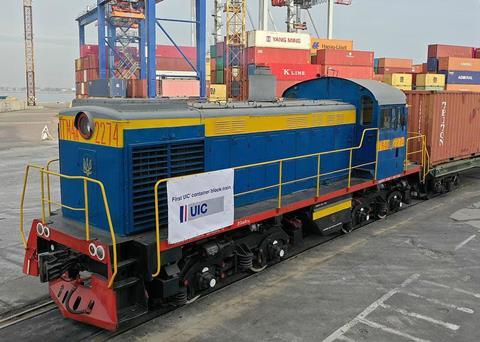
The new Ukrainian Intermodal Company (UIC) offers container transport by rail between the Port of Odessa and important economic centres in the country. With UIC, HHLA has taken the first step towards a stronger modal shift from road to rail.
Philip Sweens, managing director of HHLA International, said: “HHLA possesses extensive expertise in the intermodal business. With an efficient train system based on customer-friendly services, transparent prices, simple booking processes and reliable timetables, we want to tap the considerable potential of the Ukrainian intermodal market.”
HHLA operates the Container Terminal Odessa (CTO) in the Port of Odessa. The CTO has its own rail terminal, which is currently being expanded. The rail system offers several advantages: the existing broad-gauge network optimally connects the largest inland economic centres with the Ukrainian coast. In comparison, large parts of the road network need modernisation. Rail transport is also a sustainable due to the large size of the country and distances goods need to be transported.
Up until now, container transport by rail in Ukraine was almost exclusively carried out using individual cars or groups of wagons. The newly established UIC bundles the individual loading to container block trains to increase efficiency and reliability.
Last year, the throughput volume at the Black Sea port of Odessa increased by 8.5% to almost 650,000 TEU. However, at 22%, rail only accounts for a small share of the container traffic between the port and the Ukrainian hinterland. By comparison, over 46% of sea containers in Hamburg reach or leave the port in the environmentally friendly manner by rail.