![PortStrategy[GreenPort]](https://www.portstrategy.com/wp-content/uploads/2026/09/PortStrategyGreenPort.svg)





Oakland approves air quality plan
Port of Oakland commissioners have approved an air quality plan intended to drastically cut diesel and greenhouse gas emissions resulting from the port’s maritime operations.
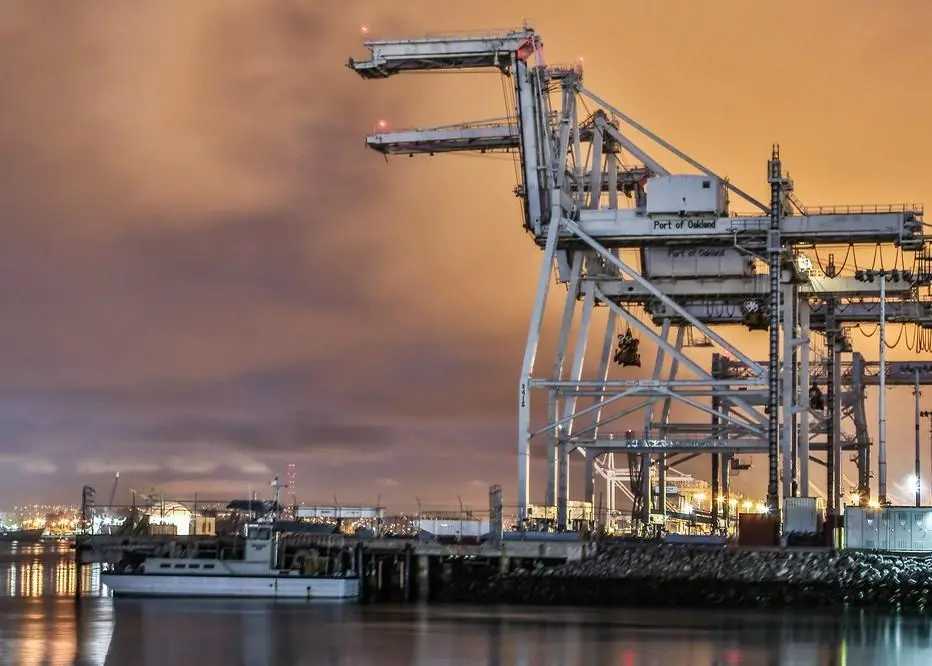
The ‘Seaport Air Quality 2020 and Beyond Plan’ envisages a zero-emissions operation in the future and will provide a framework for maritime development for the next 30 years. The plan calls for changes in equipment, operations, fuels and infrastructure at the seaport.
“The plan sends a powerful message that the port will lead the way towards a post-carbon future,” said Port of Oakland executive director, Chris Lytle. “We’re always looking at pollution reduction measures that reflect new technologies, financial resources and stakeholder input.”
Examples of projects outlined in the plan include converting port fleet vehicles and equipment to zero-emission; installing electric infrastructure at container terminals; tracking yard equipment for fuel consumption, operability and performance and identifying cleaner fuels and alternative, renewable power sources.
Further to the plan, commissioners have requested a report in six months on the feasibility of converting trucks and cargo-handling equipment to battery power. They also requested an update on the infrastructure needed to charge electric vehicles.
The ‘Seaport Air Quality 2020 and Beyond Plan’ is the successor to Oakland’s ‘Maritime Air Quality Plan’ adopted a decade ago which helped the port reduce diesel particulate matter by 81%. Developed in collaboration with community leaders, business representatives and academics over the last 18 months, the plan provides for community outreach enabling neighbours to comment on how the port’s growth might affect air quality.
Related Articles
 ALTERNATIVE FUELS GREENPORT
 OPERATIONS
 ALTERNATIVE FUELS GREENPORT