

OMC aids LPC with dredging project
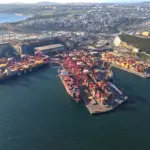
Australian maritime engineering company OMC International (OMC) has used its Dynamic Under Keel Clearance (DUKC) technology to help Lyttelton Port Company (LPC) significantly reduce the volume of dredging needed to upgrade the New Zealand port’s entrance channel.
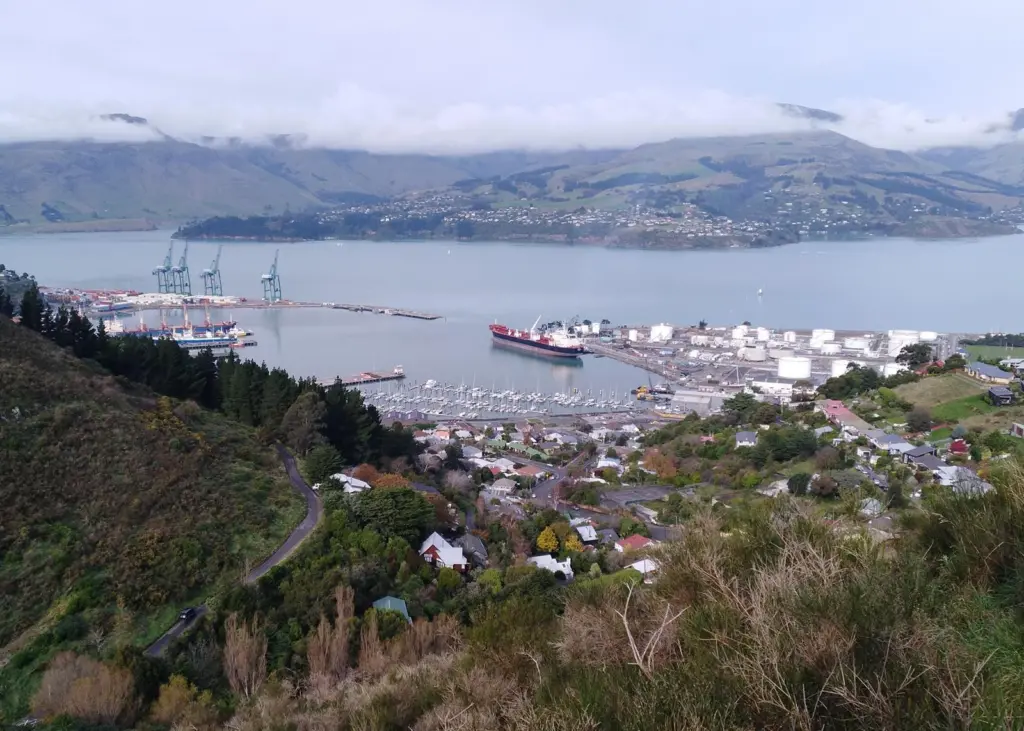
According to LPC project director Martin Watts, the DUKC system has meant that LPC has been able to decrease the volume required for the first phase of its deepening by over 40% compared with initial estimates based on standard industry guidelines.
OMC said that as part of LPC’s commitment to minimise the initiative’s environmental effects and provide an efficient service to its stakeholders, LPC engaged OMC to review the initial channel design and determine optimum channel depths necessary to let bigger vessels safely transit to and from the facility.
“OMC provided LPC with two alternative channel design profiles,” Mr Watts explained.
“The first design was the most efficient design that could be achieved if LPC continued to use traditional methods for managing the under-keel clearance of deep-draught vessel transits.
“The second design was based on applying a more scientific decision-making process using OMC’s DUKC system.”
According to OMC, DUKC models the amount of under-keel clearance for ships in shallow channels, and it claims to be the only dynamic system in the world with proven capacity to predict, in real time, the critical vertical component of navigation during actual transit.
Mr Watts said that DUKC adoption will offer Lyttelton Port of Christchurch a substantial capital dredging cost decrease and ongoing operational advantages through wider vessel sailing windows and a lowered risk of vessels grounding under severe conditions.
The port anticipates being capable of accommodating deeper draft vessels by the end of this year — when the DUKC system and new navigational aids will be installed and operational.
Related Articles
 EQUIPMENT
 EQUIPMENT